
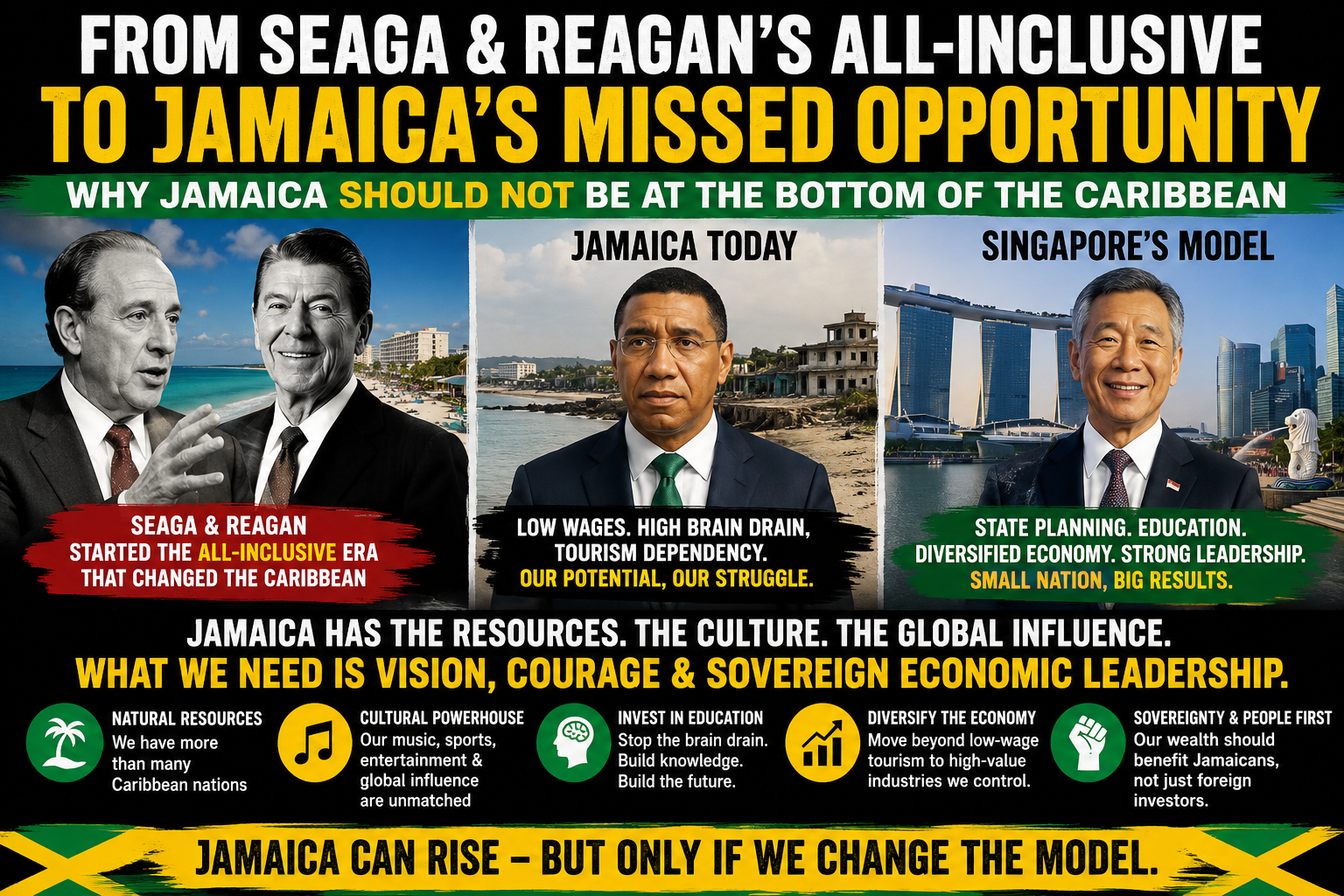
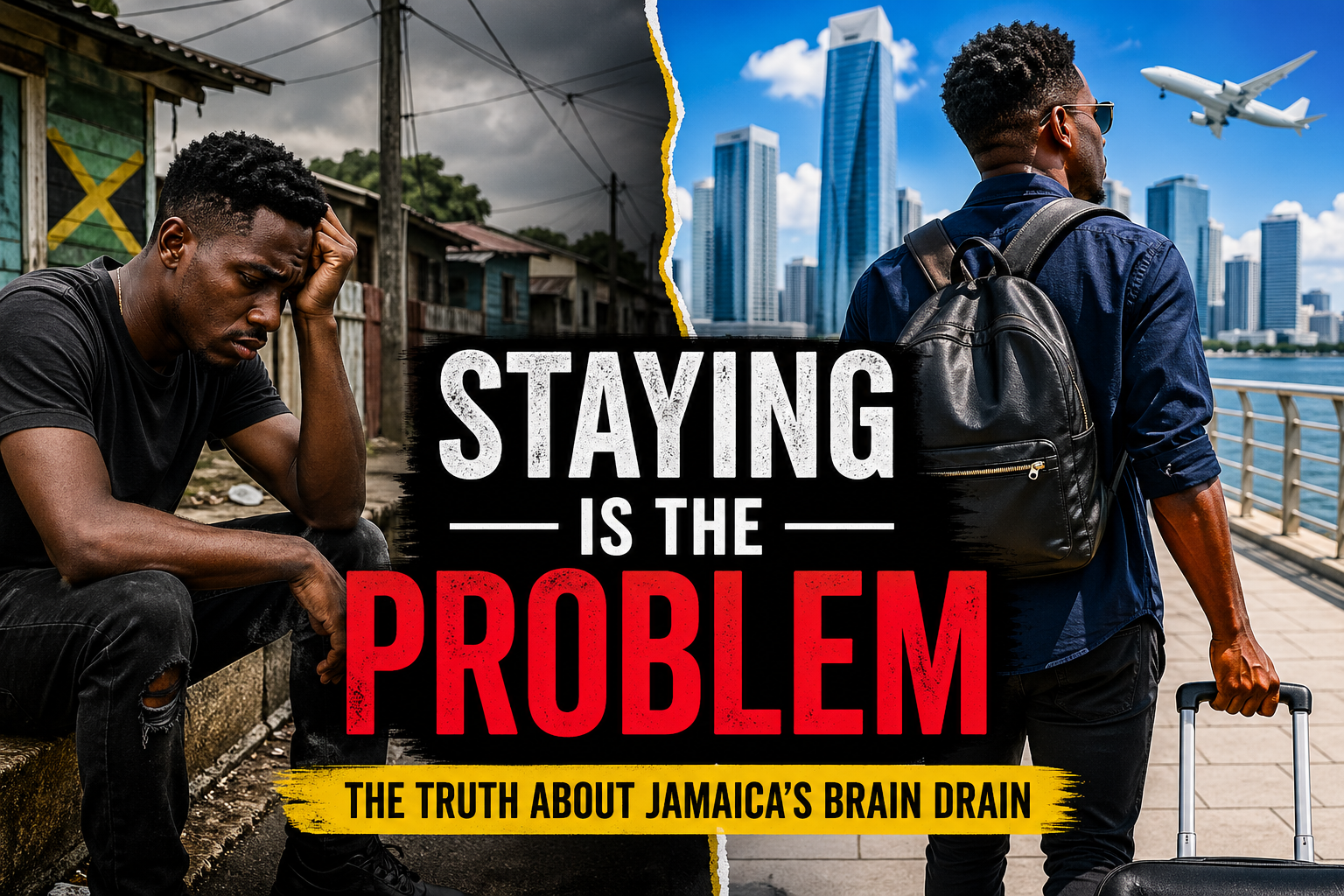
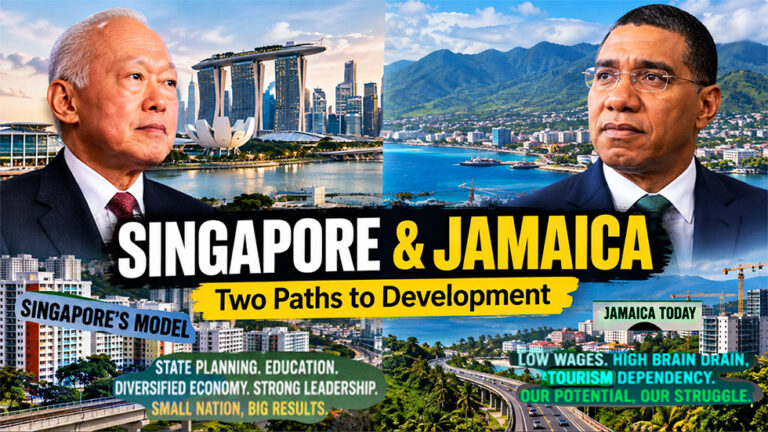
A Faustian bargain appears to have been struck, ensuring stagnant wage growth and thus entrenching a system of economic subjugation for the benefit of corporate interests. It is quite perplexing that diminutive island nations are experiencing greater prosperity than Jamaica, catalyzing an unsettling migration of Jamaicans in pursuit of improved livelihoods. This profound brain drain is further compounded by the flight of even those with substantial means, including prominent entertainers, which stands in stark contrast to the increasing desirability of Jamaica as a residence for non-Black individuals. Should this trajectory continue unchecked, there is a legitimate concern that within a few years, the indigenous Black Jamaican population could be relegated to the fringes of the island, a phenomenon that could be aptly characterized as a form of gentrification.
This precarious situation is exacerbated by Jamaica’s over-reliance on tourism and a severe lack of economic diversification. While tourism undeniably contributes significantly to the national GDP, its inherent volatility and susceptibility to global economic shifts and unforeseen events leave the nation’s economy highly vulnerable. This singular focus on tourism also diverts resources and attention from other potentially robust sectors, stifling innovation and broader economic resilience.
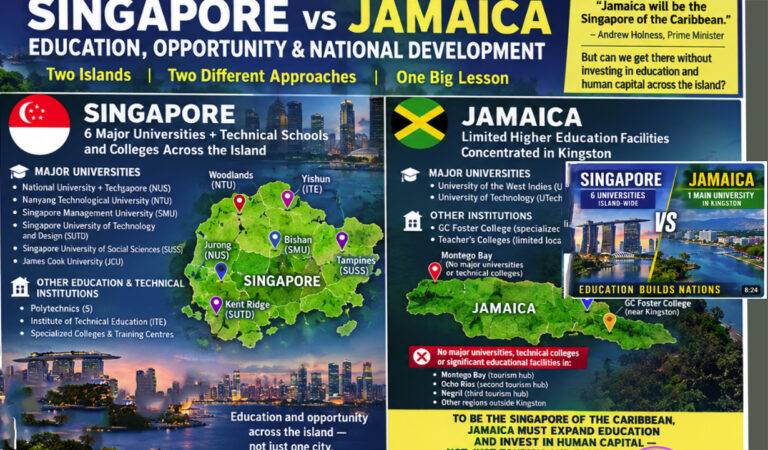
Furthermore, the excessive concentration of important economic sectors, governmental functions, and higher education institutions within the capital city of Kingston creates a profound regional imbalance. This centralization leads to a disproportionate distribution of opportunities and resources, effectively marginalizing other parishes and hindering their independent development.


Montego Bay, often lauded as the “tourism capital,” starkly illustrates this disparity. Despite its economic importance, the city appears to neglect crucial local amenities such as a comprehensive university or a modern stadium, basic infrastructure that any truly viable and self-sustaining city should possess. This intentional lack of local investment, unless directly tied to tourism infrastructure, raises concerns about a deliberate strategy to limit local engagement and keep Montego Bay as a “one-trick pony” city, entirely dependent on the fortunes of its tourism industry.
#braindrain #jamaica
Related Posts
-
Why Jamaica’s Tourism Model Is Failing: How Singapore Built Wealth While Jamaica Exported Its Talent
Jamaica has the culture, natural…
-

In the 1970s and 1980s,…
-
Jamaica’s brain drain isn’t just…
-

Jamaica's heavy reliance on tourism…


come and join me at moomoo!Sign up via my referral link now and claim 8.1% APY and up to 15 free stocks!
account when you invite 3 or more friends to sign
One Comment