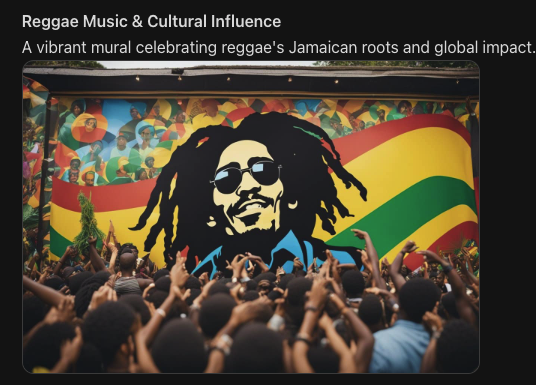
Over the past decade, European festivals such as Reggae Land in the UK and Germany’s long-running Reggae Jam have solidified their status as heavyweights on the international festival circuit. Drawing tens of thousands of attendees every summer, these multi-day gatherings offer European audiences direct access to global headliners, vibrant sound systems, and a tropical, sun-filled atmosphere. On social media, hashtags like #ReggaeJam, #JamaicanArtist, and #ReggaeEurope paint a picture of international unity and cultural appreciation.
Yet beneath the surface of sold-out crowds and booming basslines, a far more complex debate is unfolding.
To a growing number of reggae purists, Rastafari elders, and members of the Jamaican diaspora, these massive European events are increasingly missing the mark. What was once seen as a triumphant global expansion of Jamaican art is now being scrutinized for cultural misrepresentation, commercial exploitation, and a troubling drift away from the genre’s foundational values.
Spectacle Over Substance: The Spark of Controversy
The rift between organizers and cultural purists recently widened following widely shared footage and reports of sexually explicit performances and provocative stage behavior at festival venues. For many who hold reggae sacred, these viral moments were more than just raunchy festival antics—they were a step too far.
Cultural commentators, local artists, and fans voiced swift criticism, arguing that such displays directly clash with the core principles of reggae music:
- Losing the Message: Reggae was born out of social consciousness, political resistance, and spiritual reflection. Turning festival stages into venues for pure sensationalism dilutes that message.
- Disregarding Rastafari Values: The spiritual heartbeat of roots reggae is deeply connected to Rastafari culture, which emphasizes dignity, righteousness, and respect. Critics contend that promoting explicit, hyper-sexualized stagecraft misrepresents the very movement that birthed the genre.
- Prioritizing Virality: Modern festival booking and stage management often prioritize sensationalized acts that go viral on social media over performers who carry the torch of conscious reggae.


Appreciation or Appropriation? The Commercialization Dilemma
At the core of the backlash is a deeper concern: the commercialization and commodification of Jamaican culture.
For decades, Jamaican artists have fought for international respect and fair compensation in a global music industry that has historically marginalized them. When European promoters build multi-million-dollar brands around reggae, there is an expectation that the culture will be treated with stewardship, not just treated as a profit driver.
“When you strip reggae of its spirituality and political struggle, you aren’t celebrating Jamaican culture—you are using it as a prop.”
Critics argue that when European festivals strip away the educational, political, and spiritual context of reggae, the music is reduced to a themed backdrop for Western entertainment. Red Stripe beer and sound systems alone do not make a festival authentic if the soul of the movement is sidelined.
The Path Forward: Balancing Growth with Respect
No one is suggesting that reggae shouldn’t evolve, nor are critics arguing that European audiences shouldn’t enjoy Jamaican music. Reggae has always been a global gift meant to unify people across borders, races, and backgrounds.
However, as festivals like Reggae Land and Reggae Jam continue to scale, the call for accountability grows louder. To maintain credibility with the community that created the music, festival organizers may need to reconsider their approach:
- Curate with Intent: Balancing high-energy dancehall and modern acts with conscious roots performers ensures the genre’s history isn’t erased.
- Engage the Diaspora: Involving Jamaican cultural custodians, elders, and community leaders in the planning stages can prevent cultural blind spots.
- Elevate the Message: Providing space for cultural education, workshops, and historical context alongside the main stages honors the movement’s roots.
Reggae music built its global legacy on truth, rights, and love. For Europe’s premier festivals to truly celebrate Jamaican culture, they must remember that the music is far more than just a soundtrack for a summer weekend—it is a living, breathing movement that demands respect.




come and join me at moomoo!Sign up via my referral link now and claim 8.1% APY and up to 15 free stocks!
account when you invite 3 or more friends to sign