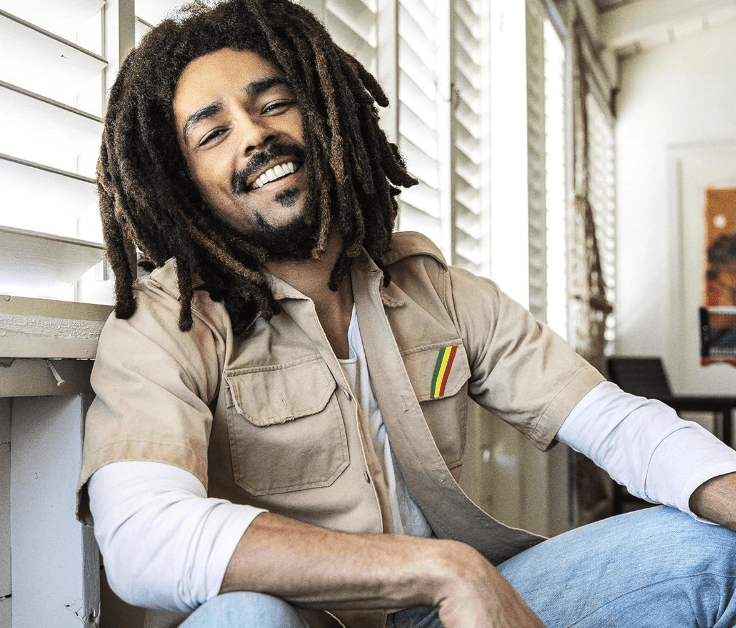
In recent discussions surrounding the cinematic portrayal of Bob Marley’s life and legacy, one decision has sparked significant debate and scrutiny: the exclusion of black Jamaicans from the narrative of the One Love Bob Marley movie. This decision, spearheaded by Ziggy Marley, has ignited profound disappointment and frustration within the black Jamaican community and beyond. In this comprehensive analysis, we delve into the complexities of this controversy, examining its implications for Bob Marley’s legacy, cultural representation, and the broader discourse on race and identity in media.
Contextualizing the Decision: Understanding the Stakeholders Involved
Beyond its implications for Bob Marley’s legacy, the decision to exclude black Jamaicans from the One Love Bob Marley movie also risks distorting the broader cultural narrative of Jamaica and the reggae movement. Jamaica’s cultural landscape is inherently diverse, reflecting a fusion of African, Caribbean, and indigenous influences that have shaped its music, art, and traditions. By sidelining black Jamaicans, the film overlooks the rich tapestry of experiences and perspectives that contributed to Bob Marley’s music and the global phenomenon of reggae. This omission not only diminishes the authenticity of the narrative but also perpetuates harmful stereotypes and narratives of exclusion.
Impact on Bob Marley’s Legacy: Preserving Authenticity and Representation
Bob Marley’s music and activism were deeply rooted in his Jamaican identity and his unwavering commitment to unity and empowerment across racial and cultural boundaries. Therefore, any portrayal of his life story must authentically capture the essence of his cultural heritage and the diverse tapestry of experiences that defined his journey. The exclusion of black Jamaicans from the film’s narrative risks erasing a crucial dimension of Bob Marley’s identity and the socio-political context in which he operated. It undermines his advocacy for inclusivity and social justice and perpetuates the marginalization of black voices in mainstream media.
Distorting the Cultural Narrative: Risks and Ramifications
Beyond its implications for Bob Marley’s legacy, the decision to exclude black Jamaicans from the One Love Bob Marley movie also risks distorting the broader cultural narrative of Jamaica and the reggae movement. Jamaica’s cultural landscape is inherently diverse, reflecting a fusion of African, Caribbean, and indigenous influences that have shaped its music, art, and traditions. By sidelining black Jamaicans, the film overlooks the rich tapestry of experiences and perspectives that contributed to Bob Marley’s music and the global phenomenon of reggae. This omission not only diminishes the authenticity of the narrative but also perpetuates harmful stereotypes and narratives of exclusion.
Advocating for Inclusive Filmmaking: Lessons Learned and Path Forward
The controversy surrounding the One Love Bob Marley movie underscores the urgent need for more inclusive approaches to filmmaking and cultural representation. Authentic storytelling requires a commitment to diversity, equity, and inclusion, ensuring that narratives from marginalized communities are not only heard but also respected and celebrated. Moving forward, filmmakers must engage with communities directly impacted by their projects, prioritizing their perspectives and experiences in the storytelling process. By amplifying diverse voices and narratives, we can honor the legacies of cultural icons like Bob Marley while advancing a more equitable and just film industry.
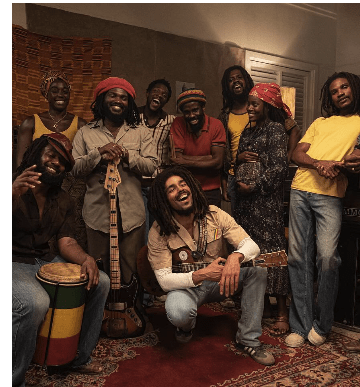
In conclusion, the exclusion of black Jamaicans from the One Love Bob Marley movie represents a missed opportunity to honor Bob Marley’s legacy and showcase the vibrancy of Jamaican culture. It underscores the importance of cultural authenticity and inclusive representation in filmmaking, urging filmmakers and stakeholders to prioritize diversity and inclusion in their creative endeavors.

come and join me at moomoo!Sign up via my referral link now and claim 8.1% APY and up to 15 free stocks!
account when you invite 3 or more friends to sign
One Comment