
Jamaica’s heavy reliance on tourism and remittances presents a seductive but ultimately fragile economic model. While these sectors provide vital short-term foreign exchange and employment, they mask significant vulnerabilities. Tourism is notoriously volatile, highly susceptible to external shocks like global recessions, pandemics, natural disasters, or even negative travel advisories. Remittances, while a lifeline for many families, fluctuate with the economic health of sender countries (primarily the US, UK, and Canada) and offer little incentive for domestic productivity or innovation. This dependence creates a precarious “boom and bust” cycle, hindering long-term planning and insulating the economy from true diversification. Crucially, it fosters low-wage, low-skill service jobs, failing to create the high-value opportunities needed to retain talent or build resilient prosperity.
Compounding this structural weakness is Jamaica’s debilitating brain drain. The very citizens educated at national expense – doctors, engineers, IT specialists, and teachers – are forced to seek opportunities abroad due to the limited, low-skilled job market sustained by the tourism/remittance model. Alarmingly, instead of aggressively investing to reverse this drain and build a knowledge-based economy, policies appear to be reducing access to free tertiary education. This creates a devastating vicious cycle: underinvestment in quality education stifles the creation of high-value industries, pushing more skilled workers to emigrate, which further entrenches dependence on the very volatile sectors causing the exodus. Cutting education amidst a brain drain is economic self-sabotage.

Mottley Slams Global Failure on Haiti at CARICOM Summit, Urges Caribbean Financial Sovereignty
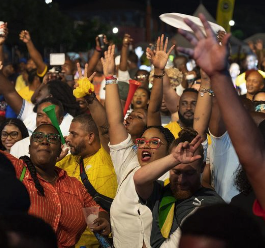
Reggae Sumfest 2025 Launches Luxe Deck & VIP Cabanas in Montego Bay, Jamaica’s Tourism Capital
Jamaica’s Economic Paradox: Brain Drain, Tourism Trap, and the Erosion of Local Prosperity

Critics Slam Jamaican YouTuber Sir P’s “Ignorant” Takes on Africa’s Traoré & AES
True, sustainable economic transformation, as emphasized by economists like Professor Jeffrey Sachs, demands a decisive pivot away from these volatile pillars. Jamaica must emulate the long-term, high-investment education models of countries such as China and Singapore. Sachs rightly argues that significant, strategic investment in education – particularly in STEM, technology, and high-value services – is not a cost but the essential infrastructure for future growth. This investment, yielding substantial returns within 10 to 20 years, is the only viable path to break the cycle. It would stem the brain drain by creating skilled domestic opportunities, attract diversified high-value investment beyond tourism, and finally build the robust, resilient economy Jamaica deserves, free from the hidden costs of its current false foundations.
Related Posts
-

In the 1970s and 1980s,…
-
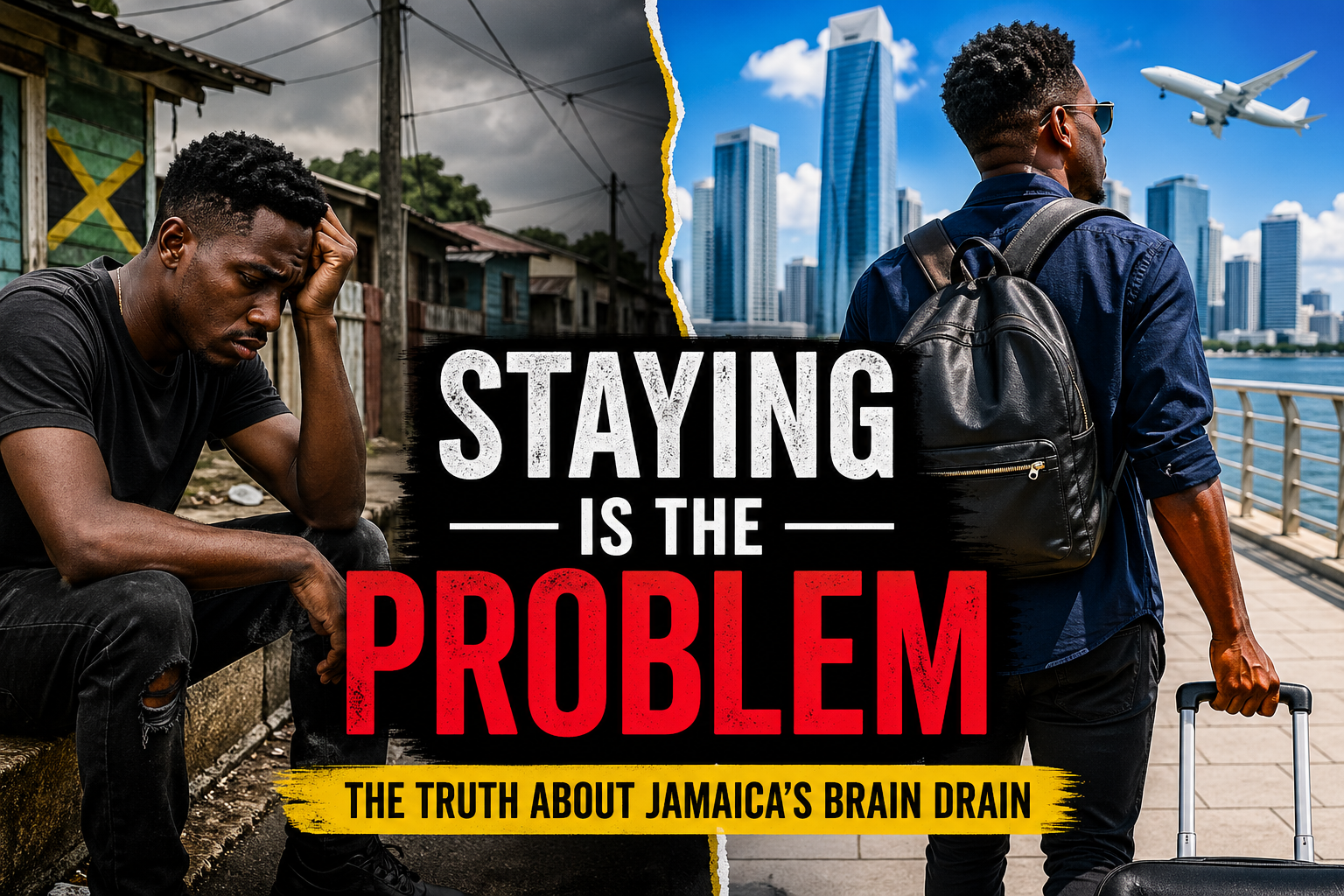
Jamaica’s brain drain isn’t just…
-
Why Jamaica’s Tourism Model Is Failing: How Singapore Built Wealth While Jamaica Exported Its Talent

Jamaica has the culture, natural…
-

A Faustian bargain appears to…



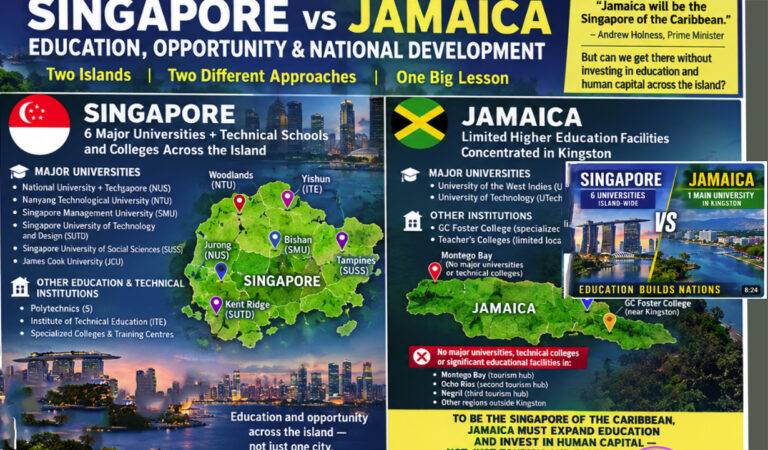
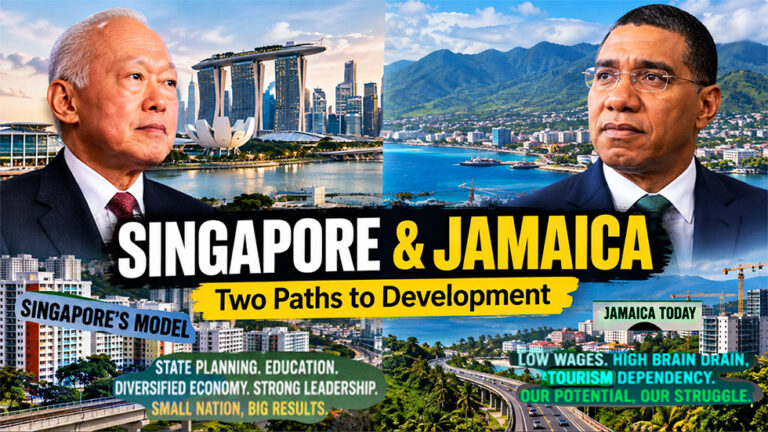



I’ve never seen a robust economy built on remittance and tourism briefly, e.g., “current short-term approaches