

Jamaica’s tourism industry has experienced a significant boom in recent years, transforming the island into a top destination for travelers seeking a tropical paradise. The stunning beaches, vibrant culture, and warm hospitality draw millions of visitors each year, contributing substantially to the nation’s economy. This influx of tourists has led to the development of luxurious resorts, restaurants, and entertainment venues, creating numerous job opportunities for locals and generating substantial revenue for the government. The picturesque landscape and alluring charm of Jamaica continue to captivate tourists from around the world, making it a staple in global tourism.
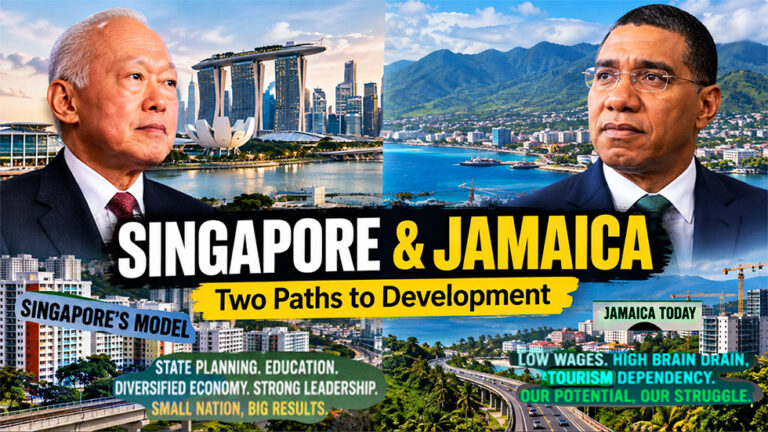
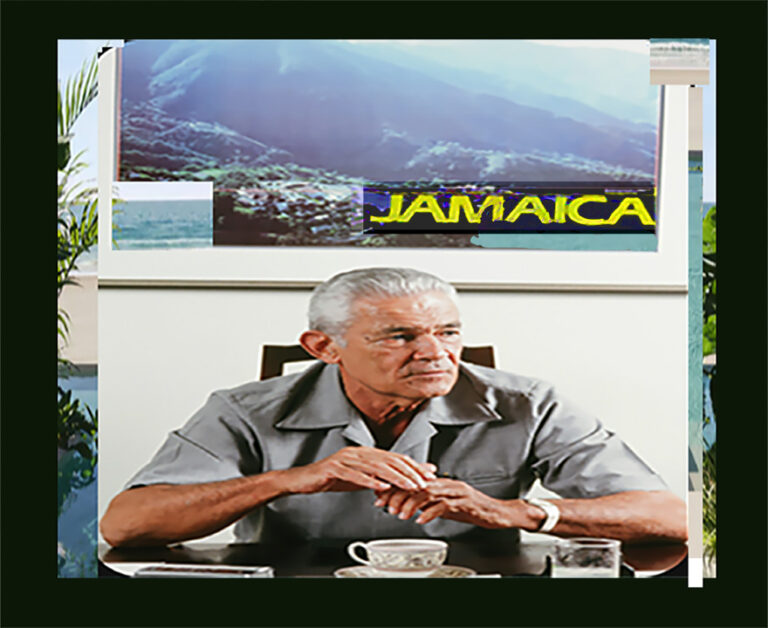
However, beneath the surface of this thriving industry lies a troubling reality for many local Jamaicans. The rapid expansion of tourism has led to the exploitation of local workers, who are often paid low wages and subjected to poor working conditions. Many locals are employed in the service sector, where they toil long hours to cater to the needs of affluent tourists, yet they see little of the economic benefits. Additionally, the focus on tourism has resulted in the displacement of communities, with locals being pushed out of prime coastal areas to make way for upscale developments. The stark contrast between the luxury enjoyed by tourists and the hardships faced by locals echoes the historic exploitation seen during the plantation era, raising questions about who truly benefits from Jamaica’s tourism boom.


This modern echo of the plantation system highlights the complex dynamics of tourism in Jamaica. While the industry brings economic growth and global recognition to the island, it also perpetuates inequality and exploitation. The challenge for Jamaica moving forward is to find a balance between promoting tourism and ensuring that the benefits are equitably distributed among its citizens. Without addressing these underlying issues, the tourism boom risks deepening social and economic divides, leaving many Jamaicans to question whether their paradise is truly for them or for those who visit.
Rapper Sean Kingston and Mother Convicted in Multi-Million Dollar Fraud Scheme”
Rapper Sean Kingston and his mother, Janice Turner, convicted in federal wire fraud case involving luxury scams. Charges include defrauding jewelry, car, and electronics businesses.Sandals Resorts Eyes $6-7 Billion Sale Amid Caribbean Expansion and Marketing Push
Sandals Resorts, the Caribbean’s leading luxury all-inclusive operator, is reigniting efforts to sell itself, targeting a valuation between 6billionand6billionand7 billion



come and join me at moomoo!Sign up via my referral link now and claim 8.1% APY and up to 15 free stocks!
account when you invite 3 or more friends to sign
2 Comments