
The title of producing the world’s fastest man, Usain Bolt, two of the greatest singers in history—the late, great Bob Marley, renowned as the king of reggae, and the popular veteran reggae singer and actor Jimmy Cliff—holds little weight when the majority of Jamaicans, who are Black, remain under the systemic dominance of White, Chinese, Indian, and Arab minorities. Despite Jamaica’s overwhelming Black majority—approximately 90% of the population—the country continues to struggle with a colonial mentality that perpetuates the subjugation of its Black citizens, keeping them at the bottom of the socio-economic hierarchy. In contrast, Black Americans, who make up about 14% of the U.S. population, face their own unique challenges within a predominantly White society.

The comparison between Black Americans and Black Jamaicans is complex, as both groups navigate different historical, cultural, and systemic contexts. While Black Americans fight against systemic racism in a minority context, Black Jamaicans grapple with the paradox of being a majority population yet still marginalized by entrenched power structures that favor minority elites. This dynamic highlights the lingering effects of colonialism, which continue to shape Jamaica’s socio-economic landscape.
For Jamaica to achieve true independence and equality, it is imperative for Black Jamaicans to unite, challenge these systemic inequalities, and reclaim their nation’s resources for the betterment of their community. Addressing these deep-rooted issues requires dismantling the colonial mentality, empowering the Black majority, and fostering a society where economic and political power reflects the demographic reality. Only through collective action and a commitment to systemic change can Jamaica move toward a future where its Black majority thrives.

come and join me on moomoo! Moomoo provides easier access to pro-grade investment analytics and is used by over 22 million people globally!
Sign up via my referral link now and claim 8.1% APY and up to 15 free stocks!
This conversation also underscores the need for solidarity among the global Black diaspora, as both Black Americans and Black Jamaicans confront shared struggles against systemic oppression, albeit in different forms. By acknowledging these complexities, both communities can work toward mutual understanding and collaboration in the fight for racial justice and equality.
-
-
-
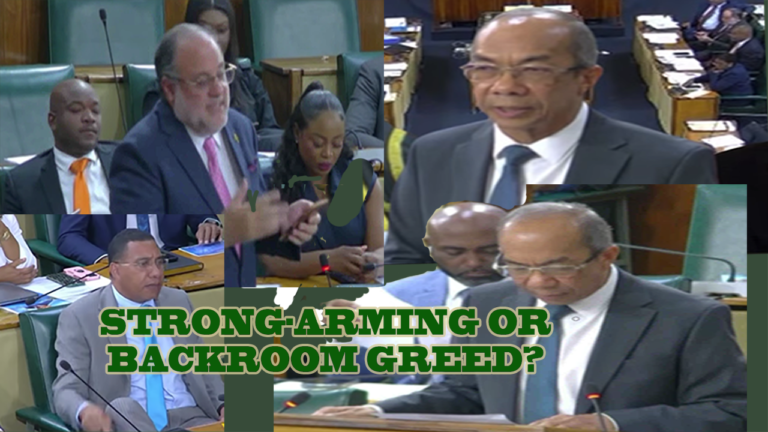
Geopolitical Strong-Arming or Backroom Greed? The Dark Underbelly of Jamaica’s Deportee Deal
Was Jamaica bullied into submission by Washington’s financial leverage, or did a cash-strapped government willingly trade its moral compass for economic favor? As details emerge of a controversial US migration pact, critics demand to know whether the Holness administration is the victim of geopolitical coercion, or a willing participant in a lucrative, ethically bankrupt compromise.
-
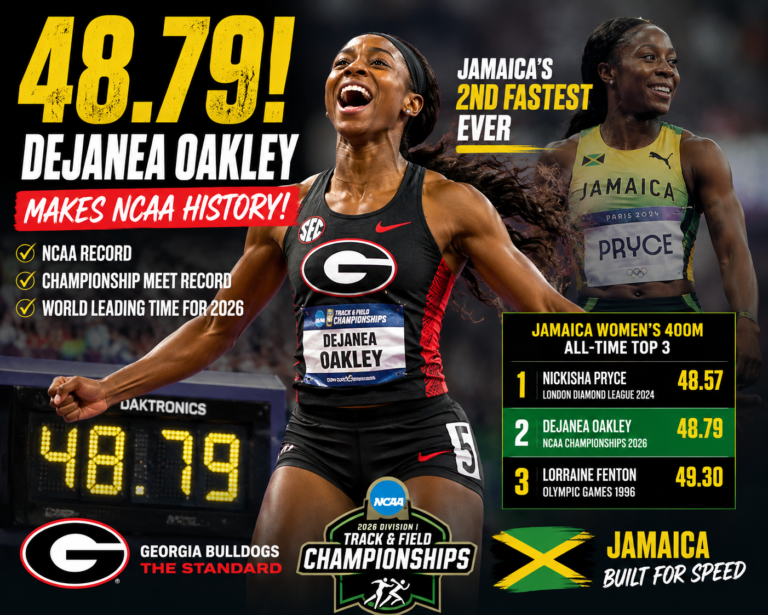
Dejanea Oakley Smashes NCAA 400m Record in Historic 48.79 Run, Becomes Jamaica’s Second-Fastest Woman Ever
Jamaican sensation Dejanea Oakley delivered one of the greatest performances in NCAA history, storming to a record-breaking 48.79 seconds in the women’s 400 meters. The Georgia Bulldogs star shattered the NCAA record, set a new championship meet record, and moved to No. 2 on Jamaica’s all-time list behind only Nickisha Pryce.
-
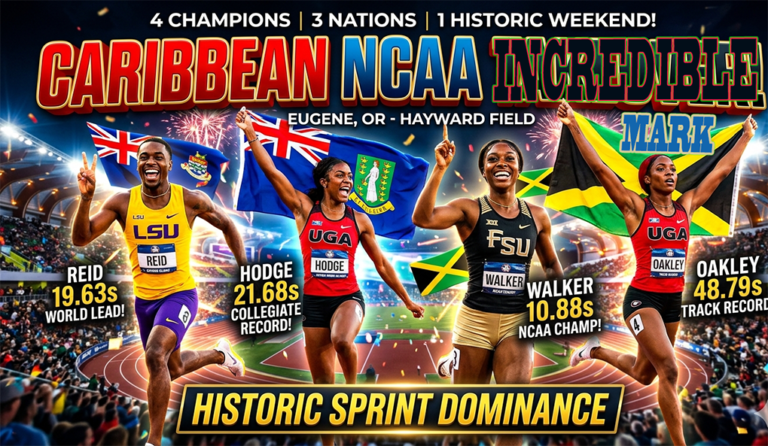
Jamaica’s Shenese Walker Stuns NCAA 100m Favorite Adaejah Hodge as Caribbean Women Dominate Championships
Jamaica’s Shenese Walker delivered one of the biggest upsets of the NCAA Outdoor Championships, defeating record-breaking favorite Adaejah Hodge of the British Virgin Islands in the women’s 100m final. Hodge later bounced back in spectacular fashion, claiming the 200m title in a collegiate record performance.
-
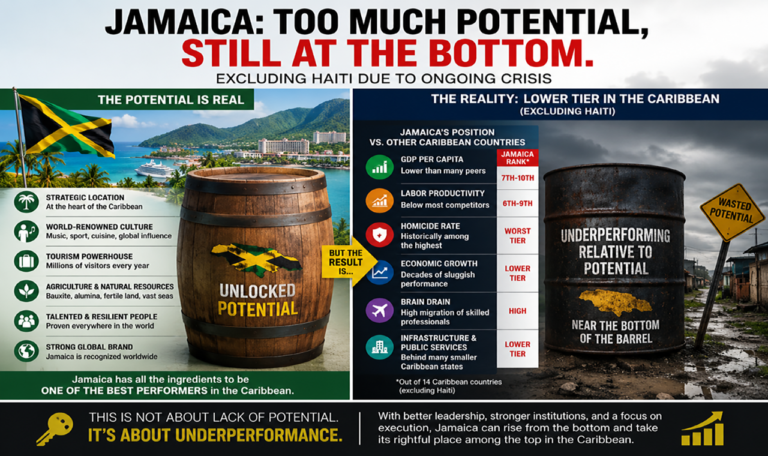
The Jamaica Paradox: Global Influence, Local Underperformance, and Its Caribbean Comparison
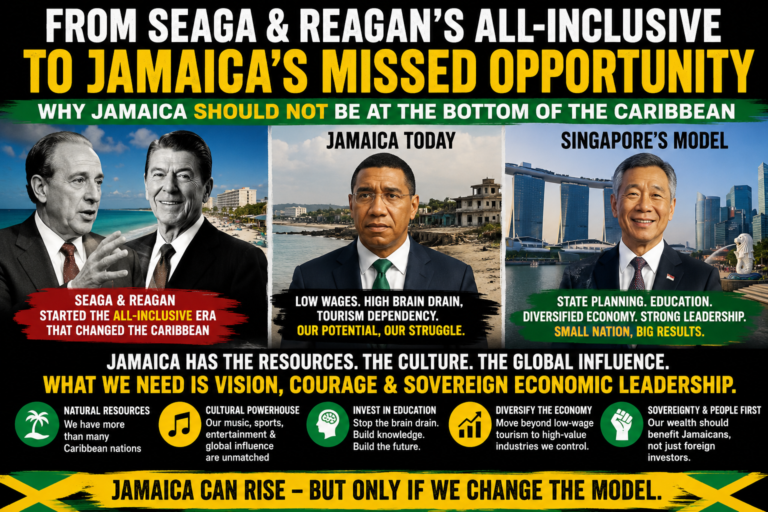
Jamaica is one of the most recognizable countries in the world, yet despite its cultural influence, strategic location, natural resources, and global brand, the country continues to underperform relative to many of its Caribbean neighbors.
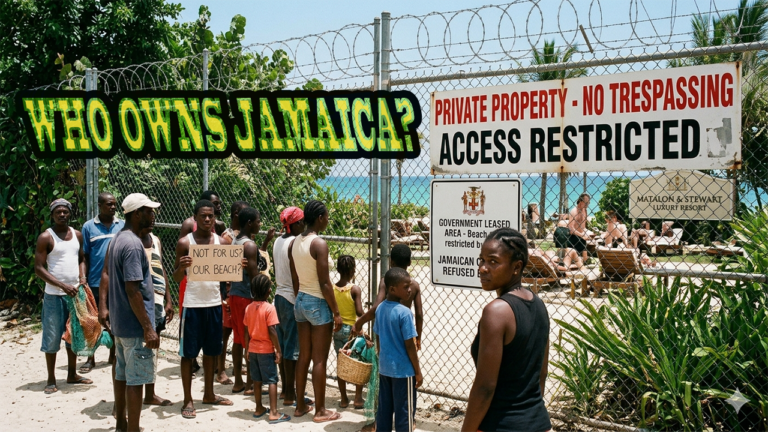
Even tourism—often celebrated as a success story—raises important questions. Jamaica attracts millions of visitors annually, but much of the industry’s profits leak overseas through foreign ownership, imported goods, repatriated earnings, and an all-inclusive model that often limits linkages with local businesses. The issue is not whether Jamaica has potential. The issue is why that potential has not translated into broader prosperity for ordinary Jamaicans.




come and join me at moomoo!Sign up via my referral link now and claim 8.1% APY and up to 15 free stocks!
account when you invite 3 or more friends to sign
One Comment