Reggae Dancehall Artiste: Jamaica Needs To Stop Fighting Itself
Dancehall artiste Bounty Killa says Jamaicans must stop fighting each other. Why political tribalism, low wages, bad roads & healthcare are holding Jamaica back.
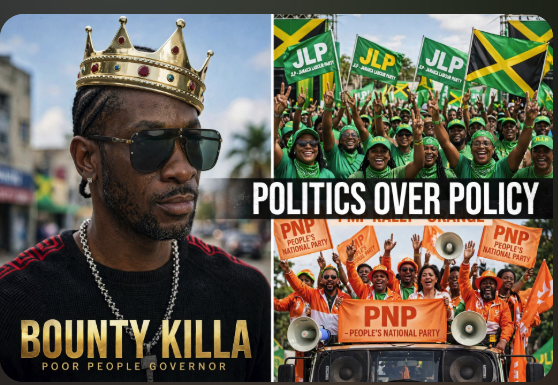
Dancehall artiste Bounty Killa says Jamaicans must stop fighting each other. Why political tribalism, low wages, bad roads & healthcare are holding Jamaica back.
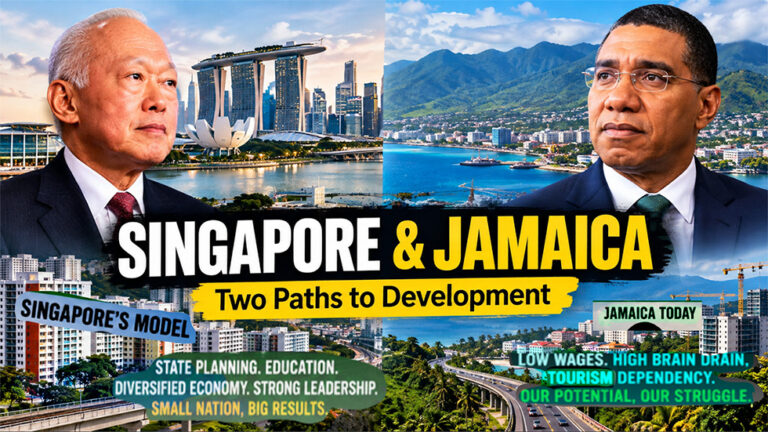
Singapore and Jamaica emerged from very different historical circumstances, yet the comparison raises important questions about the role of government, public investment, housing, education, foreign investment, and long-term economic planning. The Singapore experience offers a case study in combining state intervention with competitive markets, while Jamaica continues to confront structural challenges in productivity, skills, infrastructure, and economic diversification.
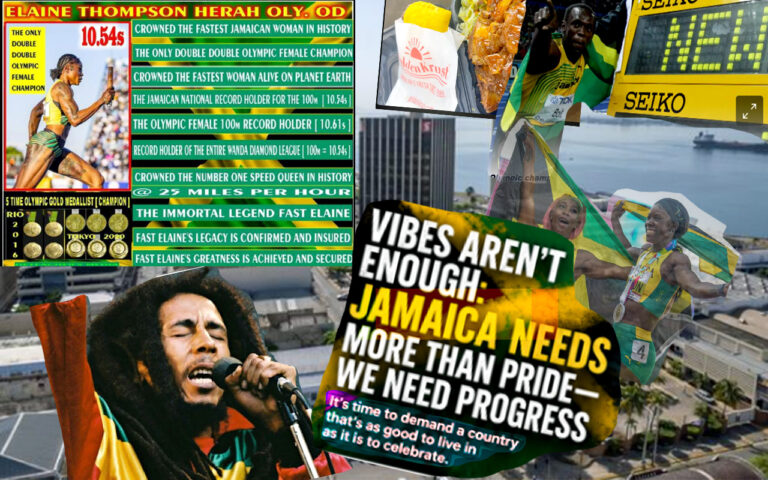
Jamaicans continue to excel globally in athletics, music, business, academia and the arts. But why has Jamaica struggled to transform that remarkable individual talent into sustained national progress?
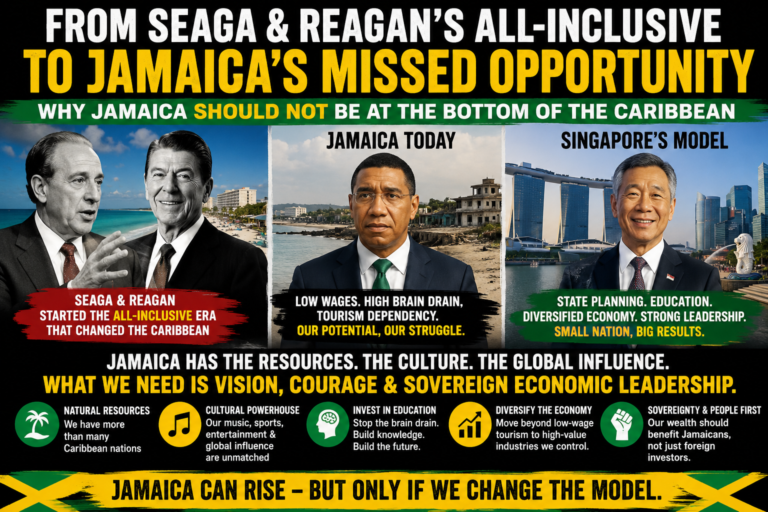
Jamaica has the culture, natural resources, global influence, and strategic location to be one of the strongest economies in the Caribbean. Yet decades of dependence on low-wage tourism and foreign-controlled development have produced rising brain drain, stagnant wages, and limited economic mobility. While countries like Singapore invested heavily in education, industrial policy, and diversified economic growth, Jamaica doubled down on an all-inclusive tourism model that often leaves local communities disconnected from real wealth creation. This article examines how policy choices, foreign dependency, and economic structure helped shape modern Jamaica—and why many believe the country must rethink its development model to unlock its true potential.
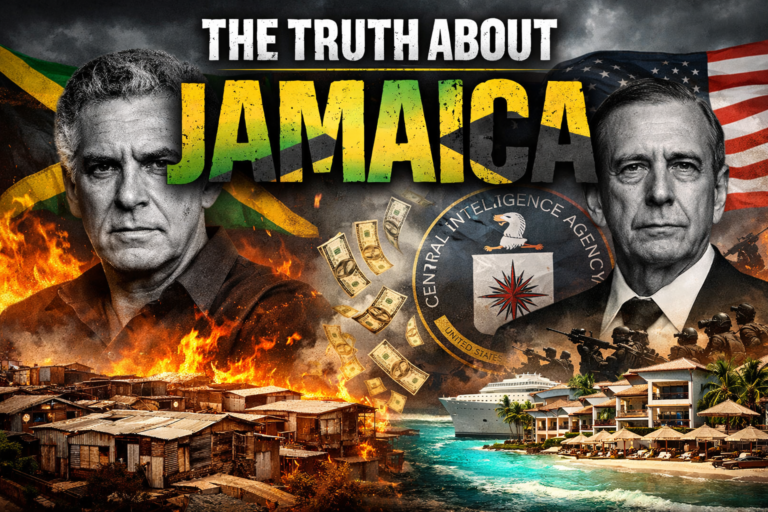
Too many people are stuck defending political parties while ignoring the bigger picture. From Michael Manley’s push for independence to the destabilization that followed and the economic shift under Edward Seaga, Jamaica’s path has been shaped by more than local politics. Foreign influence, elite interests, and a tourism-driven economy have all played a role—while the struggles of ordinary Jamaicans continue.

Prime Minister Andrew Holness has come under fire for what some view as a facade of strong leadership masking a deeper allegiance to powerful entities. Critics claim that Holness’s policies often appear more aligned with the agendas of influential groups like the Private Secto
End of content
End of content