asafa powell of jamaica former 100m record holder

Asafa Powell, once the face of Jamaican sprinting and a pioneer of the sub-10-second club, has broken his silence—and not on the track. In a raw, emotional video now circulating widely online, the former world record holder issued a powerful message: he’s tired of running for free.

Powell, who famously turned down millions in 2006 to continue competing under Jamaica’s flag, is now confronting the harsh reality of that decision. Despite his loyalty, national pride, and global acclaim, he says the country has given him nothing in return—not then, and not now.

“I’ve never got anything from the country,” he said flatly. His comments have sparked fierce debate, shedding light on a long-ignored truth: Jamaica has no real system in place to support its elite athletes after retirement. Powell isn’t just venting—he’s calling out a national blind spot.

The stakes? His children may never wear the black, green, and gold. With his wife being Ghanaian-Canadian, they have options. “If I knew what I know now, I would’ve taken that opportunity,” he admitted, referring to the lucrative offers he once declined. It’s a painful confession from a man who gave his peak years to elevate Jamaica’s global image in track and field.

Not everyone welcomed his honesty. Critics flooded social media with backlash—some calling him ungrateful, others attacking his Olympic record. “This breda complains too much,” one post read. Another jabbed, “Hope your kids don’t inherit your mental fortitude.”

But those dismissals ignore the bigger issue. This isn’t just about Powell’s finances. It’s about a broken system. A country that celebrates its athletes in their prime but offers no support once the cameras stop rolling. Powell’s comments have exposed a national contradiction: we glorify our sprint legends, but offer them no safety net.

In the end, his message is bigger than personal regret. It’s a wake-up call. If Jamaica continues to neglect the afterlives of its heroes, we may not lose them to defeat—but to disillusionment. And when the next generation chooses to wear another nation’s colors, we’ll only have ourselves to blame.

Spread the love

Similar Posts

  • Geopolitical Strong-Arming or Backroom Greed? The Dark Underbelly of Jamaica’s Deportee Deal

    Was Jamaica bullied into submission by Washington’s financial leverage, or did a cash-strapped government willingly trade its moral compass for economic favor? As details emerge of a controversial US migration pact, critics demand to know whether the Holness administration is the victim of geopolitical coercion, or a willing participant in a lucrative, ethically bankrupt compromise.

    Spread the love
  • The Psychology of the Modern Slave: How Tribal Loyalty is Ruining Jamaica

    Is Jamaica truly independent, or have our political parties simply stepped into the shoes of our former colonial masters? While the masses battle over political colors, a tiny elite controls the country’s actual wealth, and our leaders prioritize foreign agendas and tourism over the survival of everyday citizens. It’s time to break down the illusion of choice between the JLP and PNP and address the harsh reality of modern economic disenfranchisement in Jamaica.”

    Spread the love
  • Why Jamaica’s Tourism Model Is Failing: How Singapore Built Wealth While Jamaica Exported Its Talent

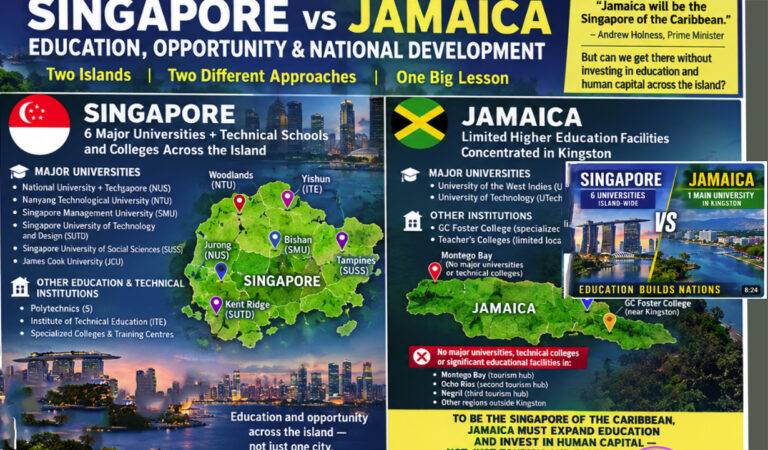
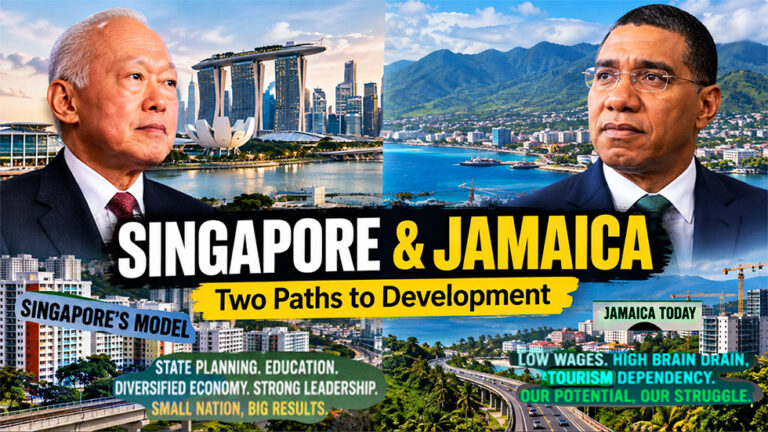
    Jamaica has the culture, natural resources, global influence, and strategic location to be one of the strongest economies in the Caribbean. Yet decades of dependence on low-wage tourism and foreign-controlled development have produced rising brain drain, stagnant wages, and limited economic mobility. While countries like Singapore invested heavily in education, industrial policy, and diversified economic growth, Jamaica doubled down on an all-inclusive tourism model that often leaves local communities disconnected from real wealth creation. This article examines how policy choices, foreign dependency, and economic structure helped shape modern Jamaica—and why many believe the country must rethink its development model to unlock its true potential.

    Spread the love
  • US Resident Shot Dead by Jamaican Police at Sangster Airport, as Surge in Extrajudicial Killings Continues

    A U.S. resident was fatally shot by Jamaican police this morning after allegedly breaching security at Sangster International Airport in Montego Bay. This incident marks another fatal police encounter amid a disturbing surge of 80 state killings this year. As video evidence directly contradicts official ‘self-defense’ narratives in other high-profile cases, such as the Granville protest shooting and the killing of Jamar Farquharson, and without a single mandatory body camera in use, public fury over police impunity and the silence of the Prime Minister has reached a breaking point.

    Spread the love