The rapid expansion of tourism has led to the exploitation of local workers, who are often paid low wages and subjected to poor working condition

Beneath the surface of Jamaica’s picturesque landscapes and vibrant culture lies a harsh reality of hidden struggles and exploitation that many locals endure. The island’s booming tourism industry, while a significant contributor to the national economy, often fails to uplift the communities that are most in need. Many Jamaicans work in low-wage, seasonal jobs within the tourism sector, such as in hotels, restaurants, and as street vendors, with limited opportunities for economic advancement. The influx of tourists and foreign investments primarily benefits large multinational corporations, while small, locally-owned businesses struggle to compete, leaving a significant portion of the population marginalized and economically vulnerable.

This disparity extends beyond mere economic challenges, as the environmental and social impacts of tourism also take a toll on local communities. The development of luxury resorts often leads to the displacement of residents, loss of access to natural resources, and environmental degradation, further exacerbating the struggles faced by those living in poverty. The allure of Jamaica’s natural beauty and cultural richness masks these underlying issues, creating a façade that hides the exploitation and inequities that persist in the shadows of the island’s thriving tourism industry. Addressing these challenges requires a more inclusive approach to tourism that ensures the benefits are shared more equitably among all Jamaicans. also take a toll on local communities. The development of luxury resorts often leads to the displacement of residents, loss of access to natural resources, and environmental degradation, further exacerbating the struggles faced by those living in poverty. The allure of Jamaica’s natural beauty and cultural richness masks these underlying issues, creating a façade that hides the exploitation and inequities that persist in the shadows of the island’s thriving tourism industry. Addressing these challenges requires a more inclusive approach to tourism that ensures the benefits are shared more equitably among all Jamaicans.

Spread the love

Similar Posts

  • Geopolitical Strong-Arming or Backroom Greed? The Dark Underbelly of Jamaica’s Deportee Deal

    Was Jamaica bullied into submission by Washington’s financial leverage, or did a cash-strapped government willingly trade its moral compass for economic favor? As details emerge of a controversial US migration pact, critics demand to know whether the Holness administration is the victim of geopolitical coercion, or a willing participant in a lucrative, ethically bankrupt compromise.

    Spread the love
  • The Psychology of the Modern Slave: How Tribal Loyalty is Ruining Jamaica

    Is Jamaica truly independent, or have our political parties simply stepped into the shoes of our former colonial masters? While the masses battle over political colors, a tiny elite controls the country’s actual wealth, and our leaders prioritize foreign agendas and tourism over the survival of everyday citizens. It’s time to break down the illusion of choice between the JLP and PNP and address the harsh reality of modern economic disenfranchisement in Jamaica.”

    Spread the love
  • Why Jamaica’s Tourism Model Is Failing: How Singapore Built Wealth While Jamaica Exported Its Talent

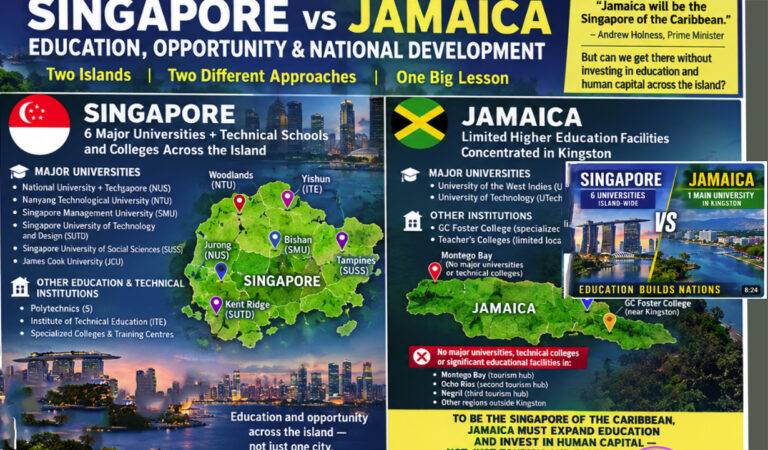
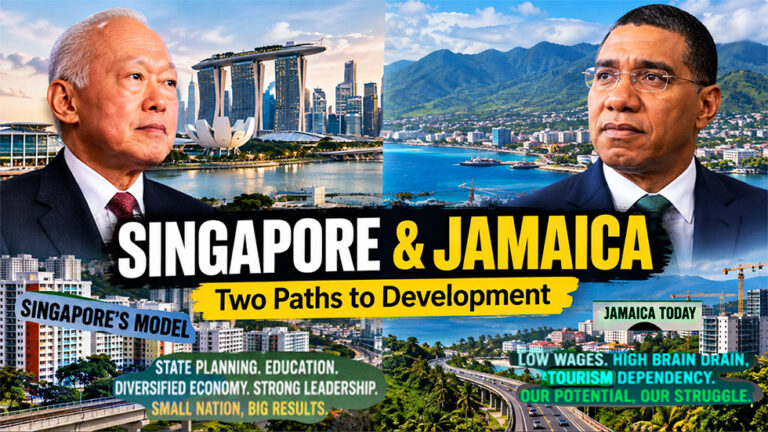
    Jamaica has the culture, natural resources, global influence, and strategic location to be one of the strongest economies in the Caribbean. Yet decades of dependence on low-wage tourism and foreign-controlled development have produced rising brain drain, stagnant wages, and limited economic mobility. While countries like Singapore invested heavily in education, industrial policy, and diversified economic growth, Jamaica doubled down on an all-inclusive tourism model that often leaves local communities disconnected from real wealth creation. This article examines how policy choices, foreign dependency, and economic structure helped shape modern Jamaica—and why many believe the country must rethink its development model to unlock its true potential.

    Spread the love
  • US Resident Shot Dead by Jamaican Police at Sangster Airport, as Surge in Extrajudicial Killings Continues

    A U.S. resident was fatally shot by Jamaican police this morning after allegedly breaching security at Sangster International Airport in Montego Bay. This incident marks another fatal police encounter amid a disturbing surge of 80 state killings this year. As video evidence directly contradicts official ‘self-defense’ narratives in other high-profile cases, such as the Granville protest shooting and the killing of Jamar Farquharson, and without a single mandatory body camera in use, public fury over police impunity and the silence of the Prime Minister has reached a breaking point.

    Spread the love