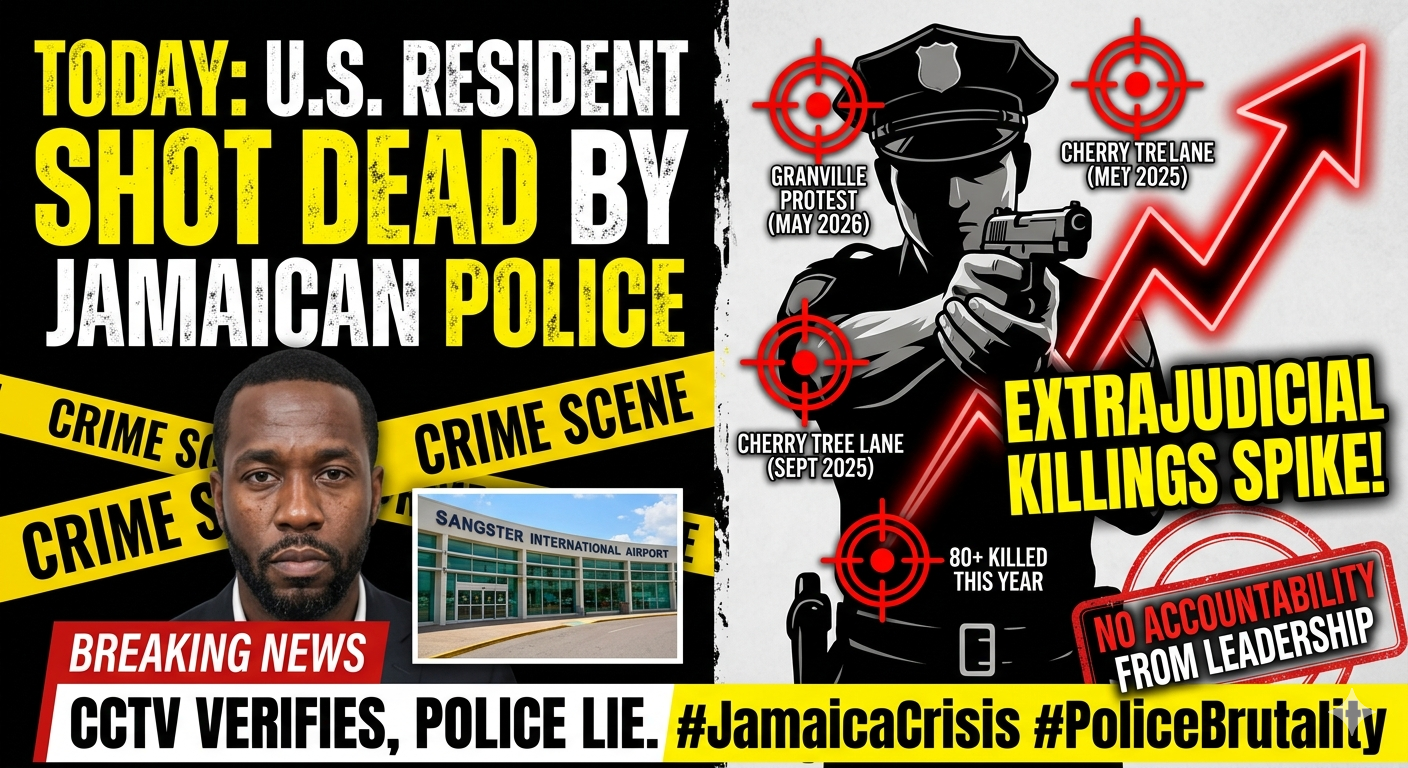
Crisis of Accountability: Fatal Shootings and the Culture of Impunity in the Jamaica Constabulary Force
The fatal shooting of a United States resident at Sangster International Airport is part of an alarming escalation of lethal force by the Jamaica Constabulary Force (JCF). According to the Independent Commission of Investigations (INDECOM), the nation’s independent police oversight body, state agents killed 311 people—a staggering 65% increase over the previous year. This violent trajectory has spilled heavily into the current year, with police killings rapidly mounting as civil rights groups voice fury over a near-total vacuum of political accountability.
In almost every fatal encounter, the official JCF report follows a rigid, identical narrative: the suspect drew a weapon and fired at the police, forcing officers to return fire in self-defense. However, a string of highly publicized incidents caught on video has shattered these official alibis, exposing severe contradictions and igniting nationwide outrage.
Contradicting the Official Narrative: High-Profile Cases
1. The Granville Protest Shooting (May 2026)
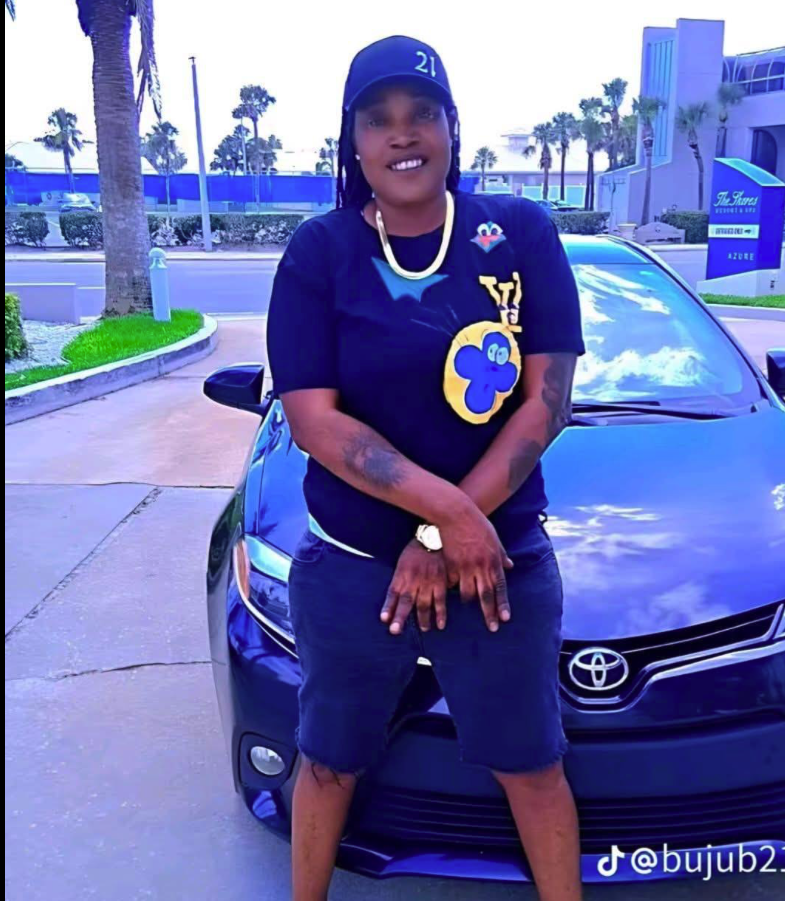
A breaking flashpoint occurred in Granville, St. James, during community protests over a previous police shooting that claimed the life of 17-year-old Tjey Edwardson. Law enforcement officers conducting crowd control fired at a stationary vehicle, killing 45-year-old businesswoman and mother-of-two, Latoya “Buju” Bulgin.
The Alibi vs. The Video: While early accounts attempted to justify aggressive crowd control, graphic CCTV footage circulating on social media tells a different story. The video shows Bulgin’s minivan idling at the edge of the road as passengers exit. When the vehicle slowly begins to pull back into the roadway, an officer standing directly in front of the car draws a handgun and fires without warning straight through the windshield.
- The Aftermath: The video captures officers dragging Bulgin’s limp body out of the driver’s seat and tossing her into the bed of a police pickup truck, offering zero medical aid and failing to preserve the crime scene. Under intense public pressure fueled by the video, the JCF high command interdicted (removed from active duty) the officer pending investigation. However, formal criminal charges have yet to be laid.
2. The Killing of Jamar Farquharson (September 15, 2025)
In Cherry Tree Lane, Clarendon, 22-year-old Jamar Farquharson was shot and killed by security forces during a raid.
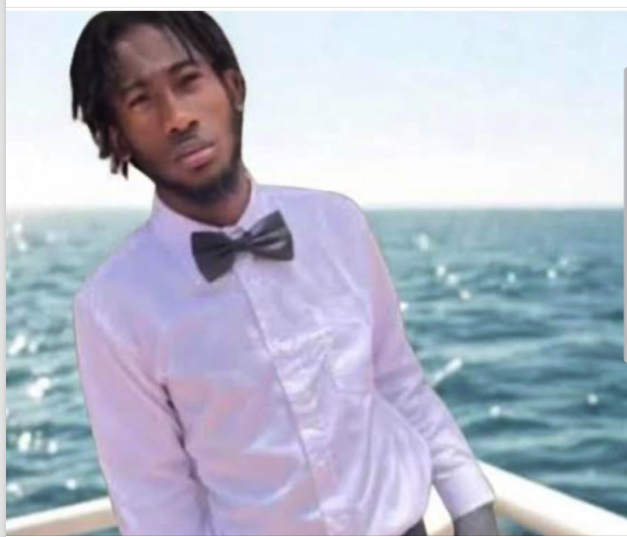
- The Alibi vs. The Video: The police high command stated that Farquharson confronted officers with an illegal firearm. Relatives and neighbors fiercely disputed this claim, pointing to video evidence that completely undermined the state’s narrative. The video shows Farquharson peacefully meeting officers at his door, letting them into the house, and standing with his hands visibly raised before he was shot. Despite the clear contradiction, the involved officers were merely taken off front-line duty while the investigation dragged on.
3. The Sangster International Airport Shooting
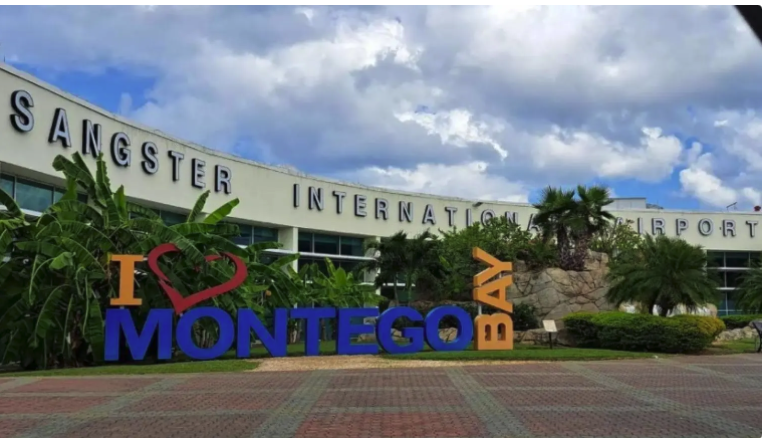
is one of the busiest and most modern in the Caribbean
A United States resident was fatally shot by police at Sangster International Airport in Montego Bay, St. James. Authorities claim the person breached airport security and was spotted in the secure vicinity of the fuel storage area. When confronted by responding police, he allegedly “attacked” the officers, who opened fire. He was pronounced dead at Cornwall Regional Hospital. Mirroring other cases, the immediate justification rested entirely on an alleged physical attack, with no independent video yet available to verify the level of threat.
Political Shielding and Rhetoric: “Shoot First, Ask Questions Later”
A central component of the human rights crisis in Jamaica is the complete silence and perceived complicity of the nation’s top leadership. Following both the Granville protest tragedy and the Cherry Tree Lane killing, neither Prime Minister Andrew Holness nor National Security Minister Dr. Horace Chang issued direct public statements condemning the actions or demanding immediate legal accountability.
Human rights advocates point directly to aggressive political rhetoric as the catalyst for the surge in state-sanctioned violence. Dr. Horace Chang has faced intense condemnation from the parliamentary opposition and groups like Stand Up For Jamaica for publicly telling police officers to use their training to execute armed criminals and expressing a distinct lack of sympathy regarding emergency medical responses for injured suspects. Critics argue this rhetoric signals a green light for an unconstitutional “shoot first, ask questions later” culture, reminiscent of dark eras in Jamaica’s policing history.
The Body Camera Deficit
For years, Jamaican citizens, along with human rights organizations like Jamaicans for Justice (JFJ), have demanded mandatory, active body-worn cameras for all front-line personnel to ensure an objective record of encounters.
The security ministry and the police commissioner have faced heavy criticism for making constant administrative excuses for the lack of deployment. INDECOM revealed a disturbing trend: in the overwhelming majority of fatal shootings, not a single body-worn camera was activated by the officers involved. In one investigated incident, an officer told oversight investigators he could not turn on his assigned camera because he “did not have a clip to wear it.”
JFJ has emphasized that without civilian cell phones and private CCTV networks—as seen in the Granville shooting—the state’s unchecked alibis would consistently insulate officers from scrutiny, leaving victims of extrajudicial killings with no voice and no justice.
come and join me at moomoo!Sign up via my referral link now and claim 8.1% APY and up to 15 free stocks!
account when you invite 3 or more friends to sign