
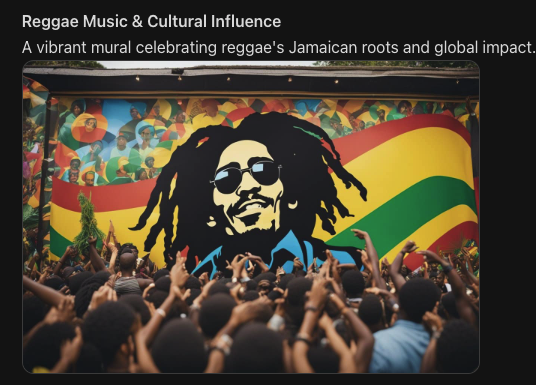
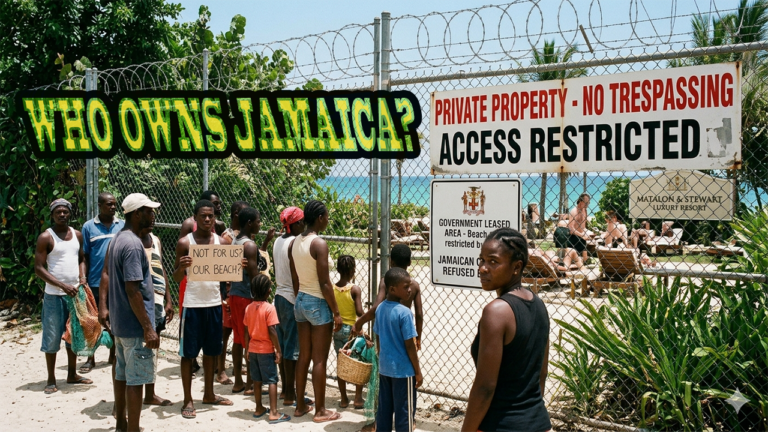
The title of producing the world’s fastest man, Usain Bolt, two of the greatest singers in history—the late, great Bob Marley, renowned as the king of reggae, and the popular veteran reggae singer and actor Jimmy Cliff—holds little weight when the majority of Jamaicans, who are Black, remain under the systemic dominance of White, Chinese, Indian, and Arab minorities. Despite Jamaica’s overwhelming Black majority—approximately 90% of the population—the country continues to struggle with a colonial mentality that perpetuates the subjugation of its Black citizens, keeping them at the bottom of the socio-economic hierarchy. In contrast, Black Americans, who make up about 14% of the U.S. population, face their own unique challenges within a predominantly White society.

The comparison between Black Americans and Black Jamaicans is complex, as both groups navigate different historical, cultural, and systemic contexts. While Black Americans fight against systemic racism in a minority context, Black Jamaicans grapple with the paradox of being a majority population yet still marginalized by entrenched power structures that favor minority elites. This dynamic highlights the lingering effects of colonialism, which continue to shape Jamaica’s socio-economic landscape.
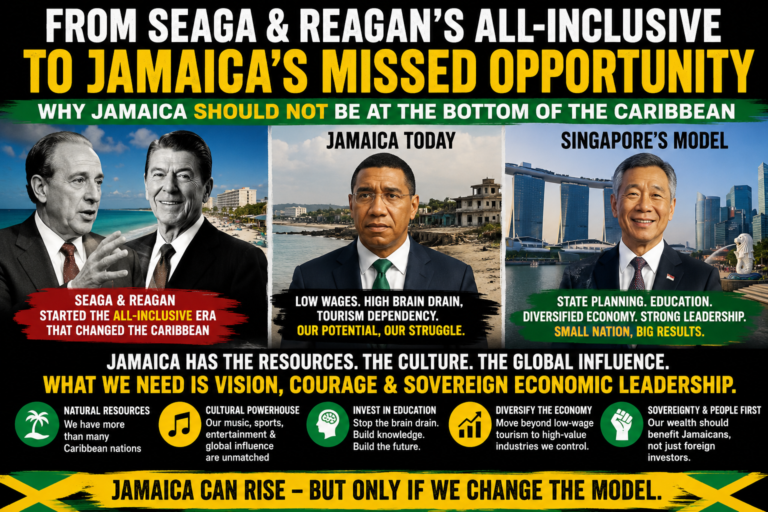
For Jamaica to achieve true independence and equality, it is imperative for Black Jamaicans to unite, challenge these systemic inequalities, and reclaim their nation’s resources for the betterment of their community. Addressing these deep-rooted issues requires dismantling the colonial mentality, empowering the Black majority, and fostering a society where economic and political power reflects the demographic reality. Only through collective action and a commitment to systemic change can Jamaica move toward a future where its Black majority thrives.

come and join me on moomoo! Moomoo provides easier access to pro-grade investment analytics and is used by over 22 million people globally!
Sign up via my referral link now and claim 8.1% APY and up to 15 free stocks!
This conversation also underscores the need for solidarity among the global Black diaspora, as both Black Americans and Black Jamaicans confront shared struggles against systemic oppression, albeit in different forms. By acknowledging these complexities, both communities can work toward mutual understanding and collaboration in the fight for racial justice and equality.
-
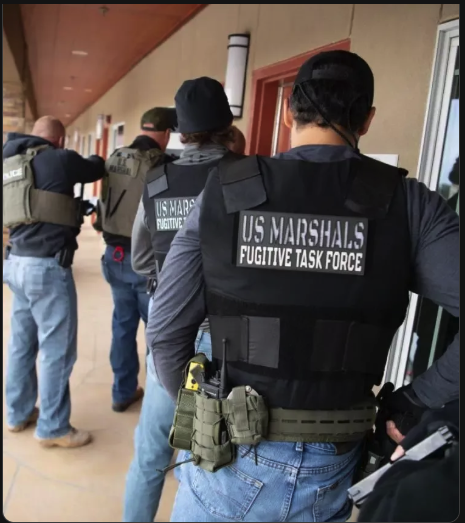
FBI Most Wanted Fraudster Elaine Angene Escoe Captured in Jamaica After $32 Million COVID Relief Scam
Elaine Angene Escoe, a 41-year-old fugitive who landed on the FBI’s Most Wanted Fraudsters list, has been apprehended in Jamaica and extradited back to South Florida to face federal prosecution. Authorities allege she masterminded a sprawling pandemic relief fraud ring that siphoned over $32 million from taxpayer-funded COVID-19 assistance programs—using a fake identity to evade capture for months before an FBI tip led to her arrest.
-
-
-
-
-
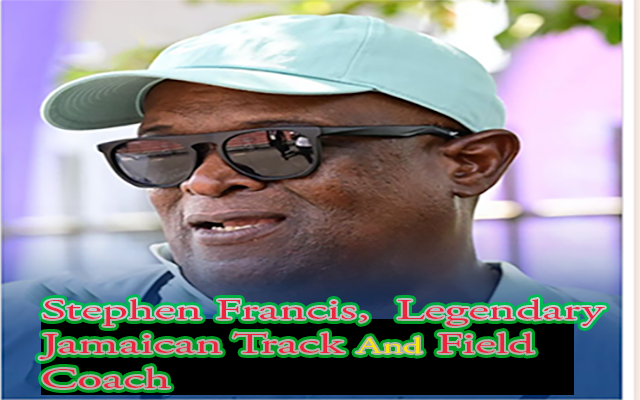
Stephen “Franno” Francis Legacy: The Coach Who Built Jamaica’s Sprint Dynasty
Stephen “Franno” Francis changed the course of Jamaican athletics forever. As founder of MVP Track Club, he proved world-class sprinters could be developed at home, guiding stars like Asafa Powell, Shelly-Ann Fraser-Pryce, Elaine Thompson-Herah, Melaine Walker, Michael Frater, and Nesta Carter to international success. His legacy will continue to inspire generations of athletes around the world.
come and join me at moomoo!Sign up via my referral link now and claim 8.1% APY and up to 15 free stocks!
account when you invite 3 or more friends to sign
One Comment