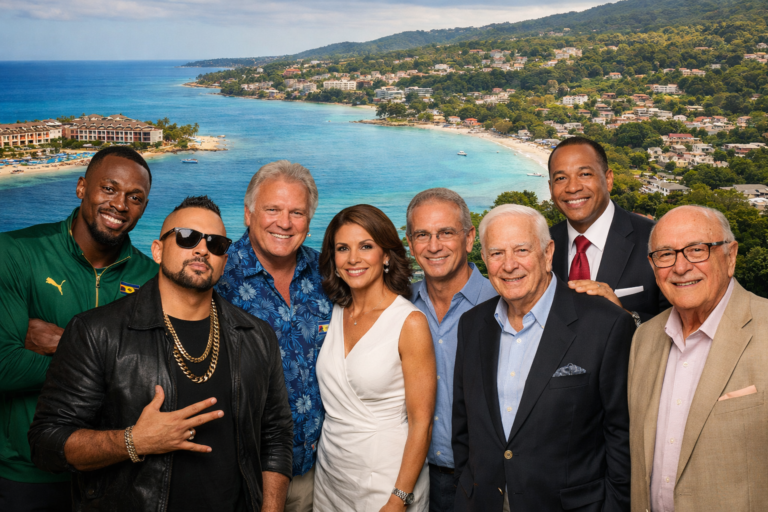
Sunset Jamaica

Jamaica’s tourism industry is a vital pillar of its economy, drawing millions of visitors to its stunning beaches, rich culture, and vibrant communities. However, the economic benefits of this booming sector are often unevenly distributed, with large multinational corporations and resort owners reaping the majority of the rewards. Many local businesses and communities, particularly those outside the main tourist hubs, struggle to see any meaningful improvement in their economic conditions. The current model often leaves small businesses at a disadvantage and fails to uplift the very people whose culture and hospitality are the backbone of the island’s appeal.

To create a more sustainable and equitable future, Jamaica needs a tourism model that ensures all its people share in the prosperity. This approach would involve supporting locally-owned enterprises, promoting fair wages, and investing in community development projects that directly benefit residents. By fostering an inclusive tourism industry, Jamaica can not only enhance the visitor experience with authentic, community-driven offerings but also ensure that the wealth generated by tourism is more fairly distributed. This shift towards inclusivity is essential for reducing economic disparities and creating long-term growth that benefits every Jamaican.

Spread the love

Similar Posts

  • Why Jamaica Is Seen as a Black Nation — Yet Wealth and Power Often Tell a Different Story

    Jamaica is globally recognized as a Black country, defined by African heritage, culture, and population. Yet when wealth, corporate ownership, and economic power are examined closely, a striking imbalance emerges. Despite Black Jamaicans forming the overwhelming majority, much of the nation’s wealth historically resides within a small number of families rooted in European, Middle Eastern, and mixed-heritage lineages.

    Spread the love
  • Montego Bay Ascendant: Swallowtail Tower Tops Out, Cementing City’s Role as Jamaica’s New Development Leader

    Montego Bay, long established as the Caribbean’s premier tourism capital, is now boldly stepping forward to claim its title as a leader in integrated, high-end residential development. The city’s skyline has been irreversibly changed with the Official Topping-Out Ceremony of the Swallowtail Tower, the first of the four luxury residential towers at The Pinnacle. Reaching its final height of 28 stories, the tower now stands as the tallest building in Jamaica. Notably, even during its construction, the structure and its installed systems demonstrated absolute resilience against the fury of Hurricane Melissa, standing tall and virtually unscathed against the Category 5 winds. This monumental achievement not only solidifies Montego Bay’s structural progress but also signals its intent to become a primary hub for luxury living and diversified economic activity, challenging Kingston’s traditional dominance in non-tourism-centric development.

    Spread the love