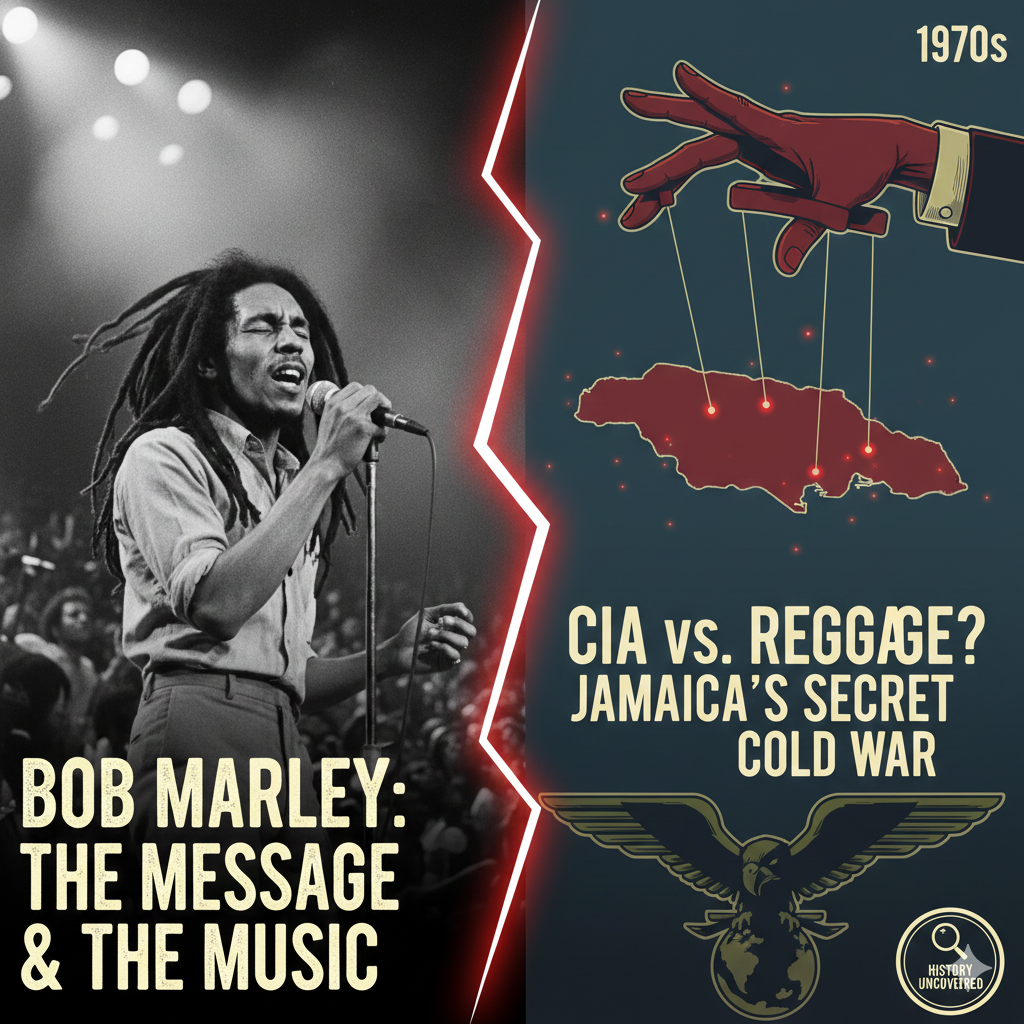
Jamaica’s modern identity was forged in a high-stakes crucible where local culture collided with global power struggles. During the 1970s, the island became a symbolic battleground for the Cold War, caught between the growing pains of a young democracy and the heavy-handed influence of competing superpowers.
The Social Divide: From Outcasts to Icons
For decades, the Rastafarian community existed on the fringes of Jamaican society. Faced with systemic prejudice from the Christian establishment and the Eurocentric upper class, Rastafarians were often branded as subversives. Their rejection of colonial standards made them a “threat” to the status quo—until the music changed the narrative.


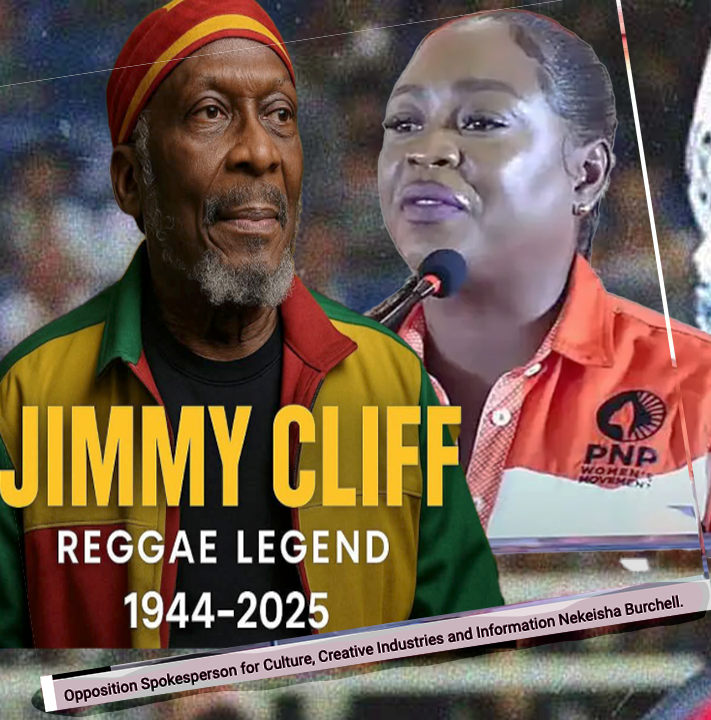
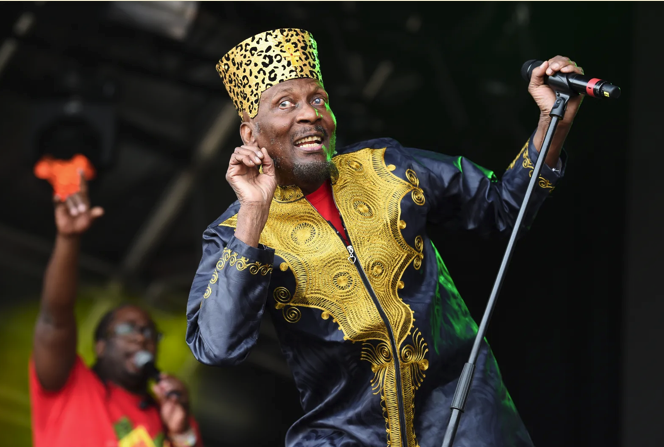

- The Marley Effect: As Bob Marley’s reggae achieved global dominance, the domestic stigma against Rastafari began to crumble.
- Cultural Currency: International acclaim forced the Jamaican elite to re-evaluate a movement that had become the island’s most powerful cultural export.
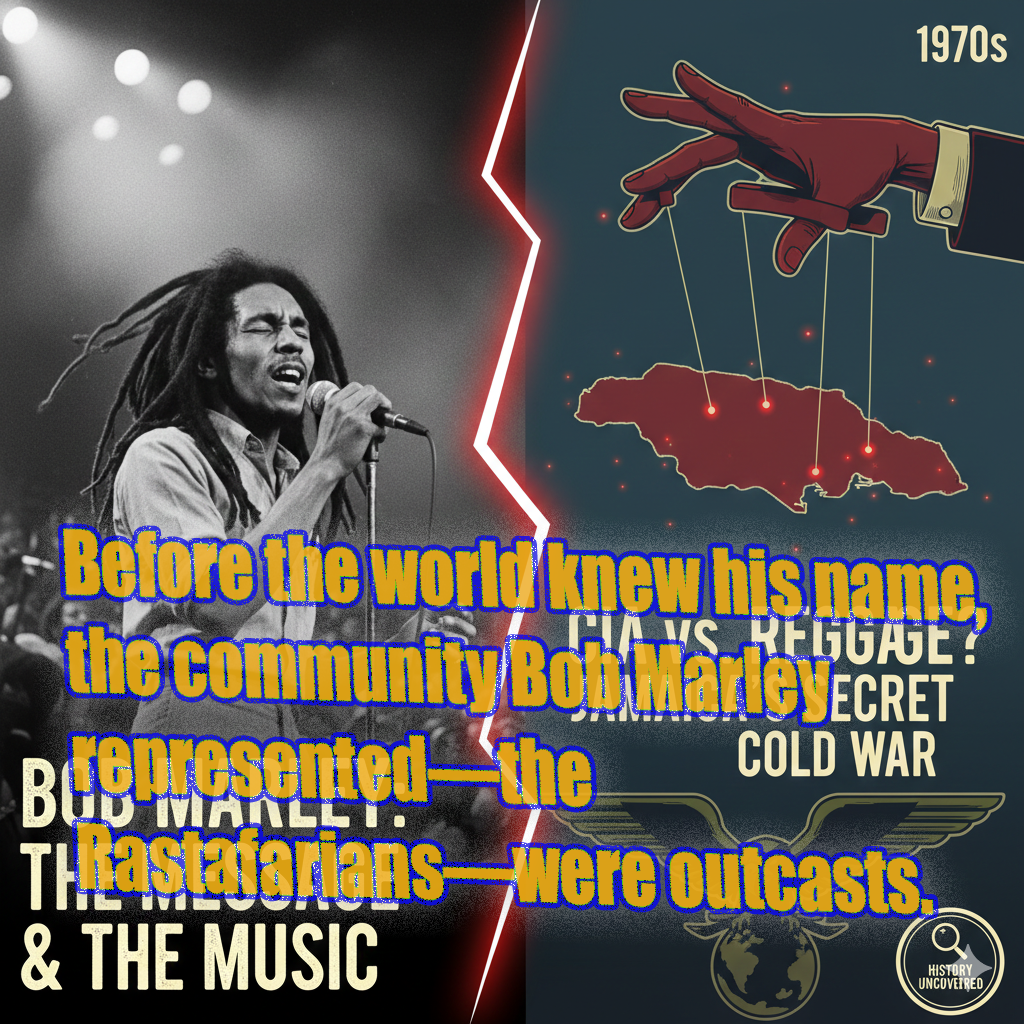
Music as a Political Weapon
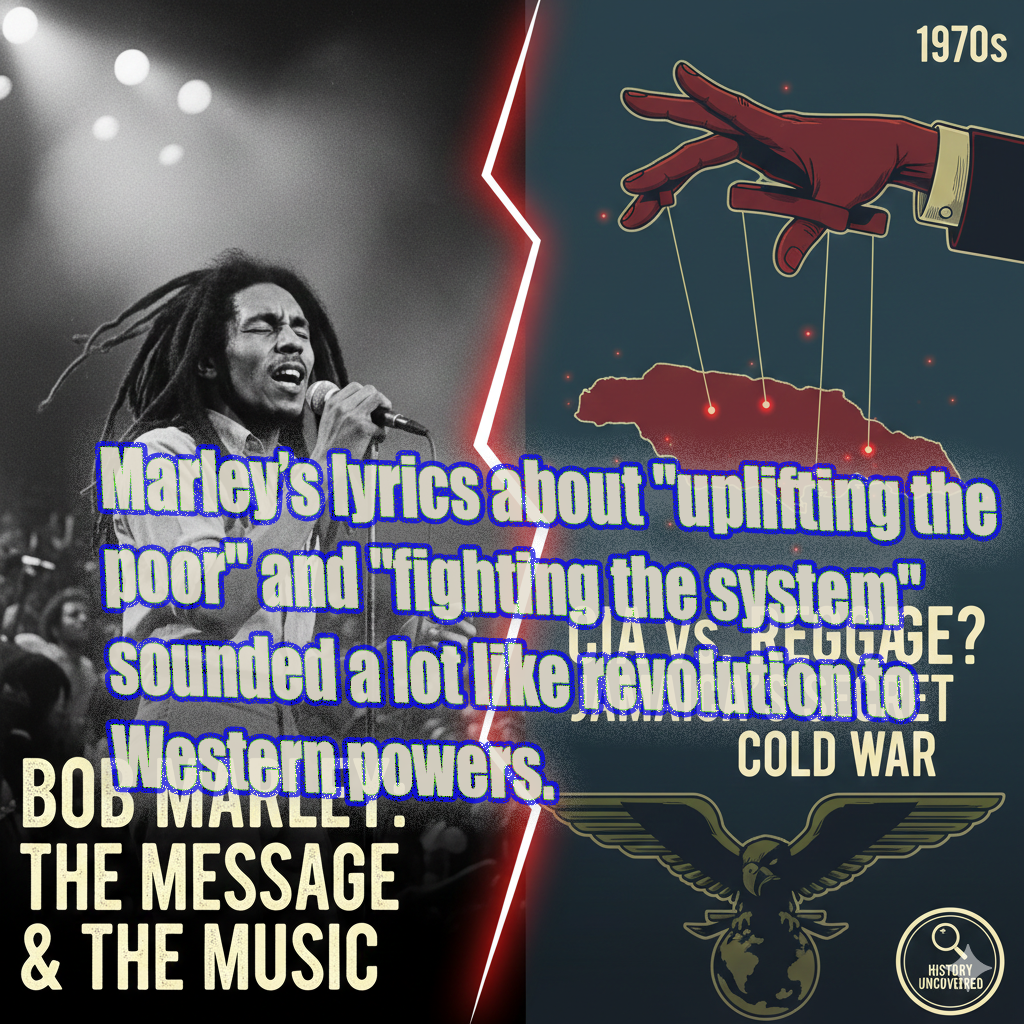
Bob Marley didn’t just sing; he gave a megaphone to the marginalized. His lyrics tackled systemic inequality and the “Babylon” system of oppression, resonating deeply with a Black majority that had been economically sidelined for generations.
However, in the paranoid atmosphere of the Cold War, Marley’s calls for social justice and self-determination weren’t just seen as art—they were viewed as a geopolitical risk. To Western powers, any rhetoric emphasizing the empowerment of the poor or a pivot away from traditional alliances looked suspiciously like a shift toward the socialist bloc.
A Legacy of Contention
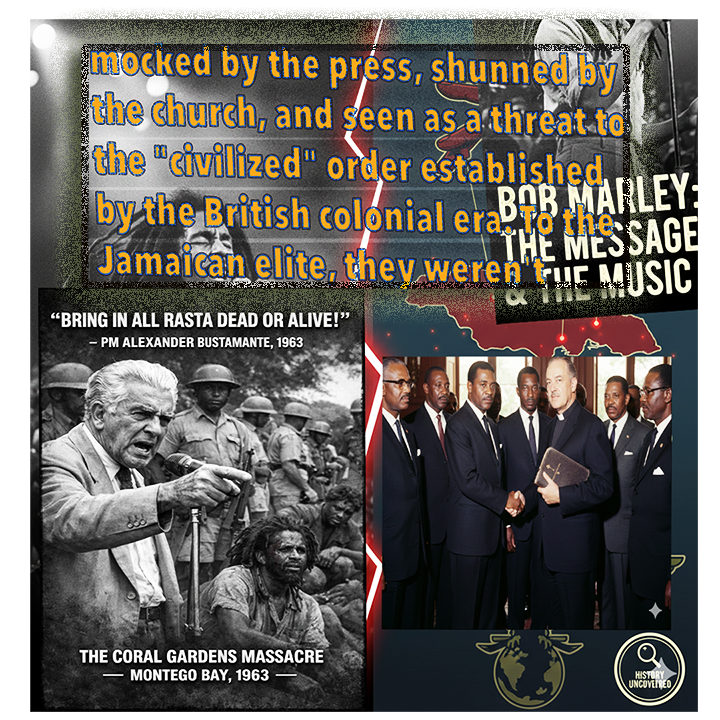
The intersection of Marley’s message and global espionage remains a subject of intense debate. This era serves as a stark reminder that Jamaica’s cultural history is inseparable from its political history. The struggle wasn’t just about who held office, but about who controlled the soul and narrative of a developing nation.
“The music was the heartbeat, but the politics was the pressure.”
come and join me at moomoo!Sign up via my referral link now and claim 8.1% APY and up to 15 free stocks!
account when you invite 3 or more friends to sign