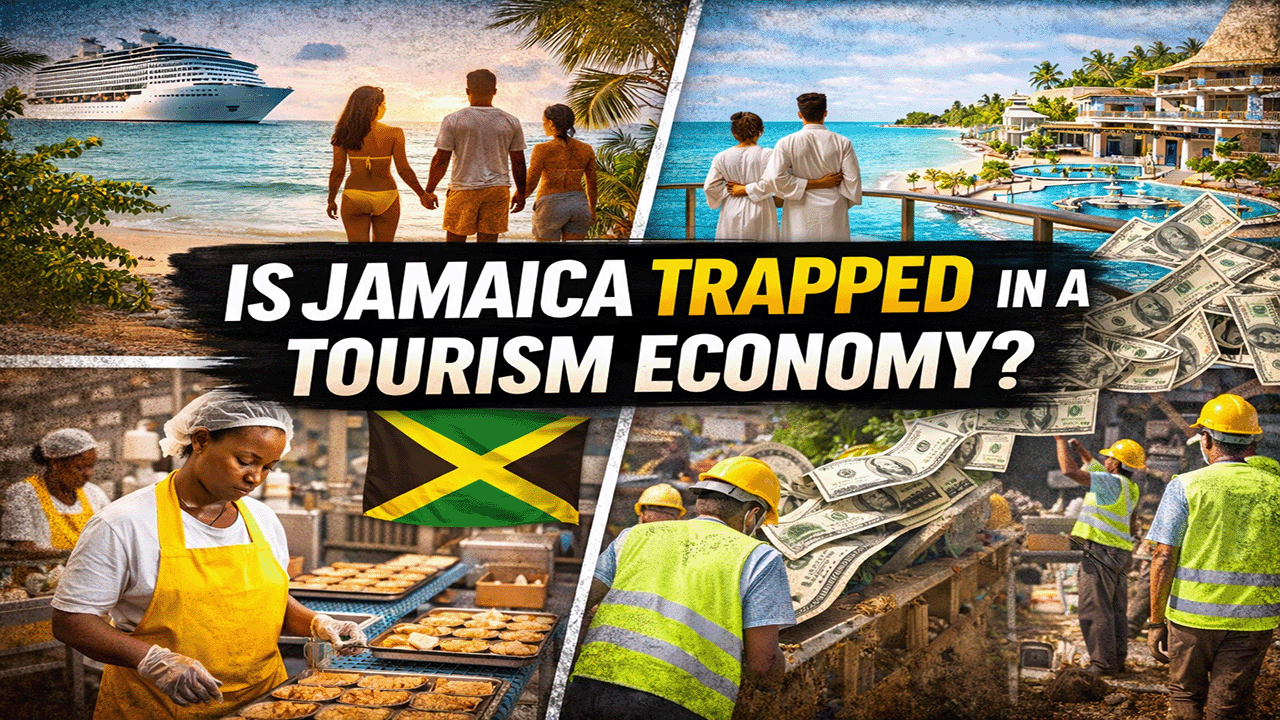
Tourism has long been the backbone of Jamaica’s economy. Millions of visitors travel to the island every year, attracted by its beaches, culture, and hospitality. The industry generates billions of dollars annually and supports hundreds of thousands of jobs.
But recent global events are once again highlighting how dependent Jamaica has become on tourism.
As geopolitical tensions escalate in parts of the world, travelers are increasingly reconsidering vacations in regions affected by conflict. This shift could send more tourists to the Caribbean, including Jamaica, which many travelers view as a safe and peaceful destination.
While a surge in visitors may provide short-term economic benefits, it also raises deeper questions about Jamaica’s long-term economic structure.
To explore these issues, PhillyYardyVibes launched a four-part video series examining the realities of tourism and its role in the Jamaican economy.
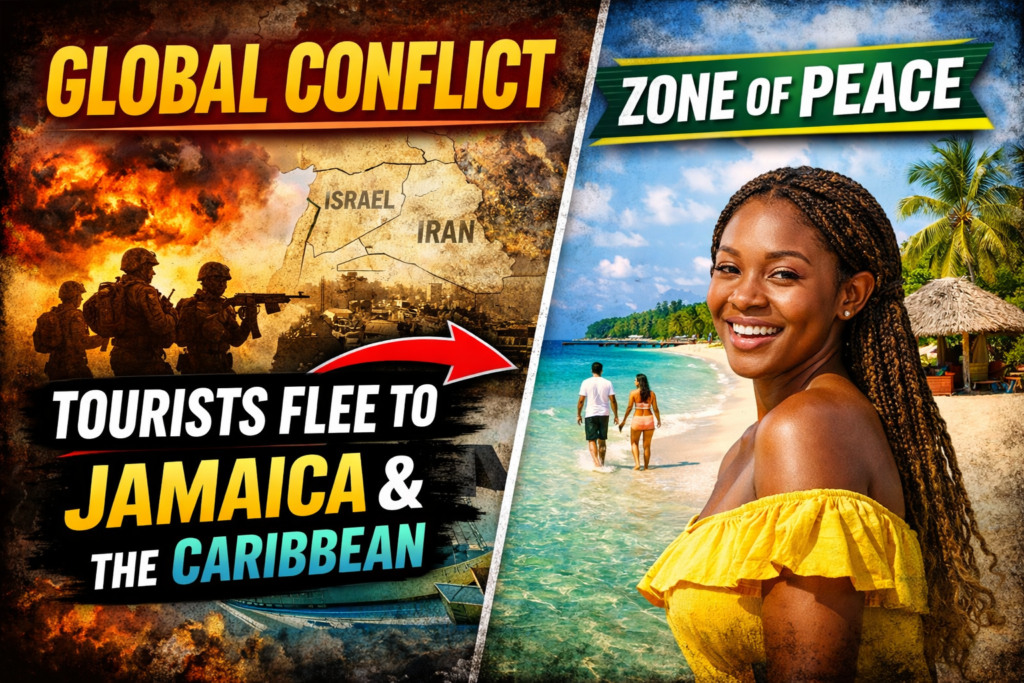
Part 1: Global Conflict and Tourism Shifts
The first video in the series explores how international conflicts can redirect global tourism patterns. When certain regions become unstable, travelers often choose alternative destinations.
For Jamaica and the wider Caribbean, this can result in increased tourism demand. The region’s image as a tropical escape and politically stable destination makes it attractive when other parts of the world experience turmoil.
However, this phenomenon also highlights how Jamaica’s economic fortunes can be tied to events occurring thousands of miles away.




Part 2: The Tourism Dependency Problem
The second video examines what economists call the “tourism trap.”
Tourism creates jobs and generates foreign exchange, but it can also limit economic diversification. Many tourism jobs are relatively low-wage service positions, and heavy reliance on tourism can discourage investment in other sectors such as manufacturing or technology.
Countries that depend too heavily on tourism may find themselves vulnerable to external shocks like global recessions, pandemics, or geopolitical crises.
Part 3: Who Really Profits?
In the third installment, the series investigates the concept of tourism leakage.
While billions of dollars flow into Caribbean tourism each year, a significant portion of that revenue often leaves the region. International hotel chains, cruise lines, and travel corporations capture a large share of the profits.
This means that while tourism generates economic activity, not all of the wealth created remains in the local economy.
Part 4: Can Jamaica Diversify?
The final video looks at possible economic alternatives for Jamaica.
Many economists believe the island’s long-term prosperity depends on developing new industries alongside tourism. Potential areas include logistics, agriculture, renewable energy, creative industries, and technology.
Jamaica’s large diaspora and strategic geographic location could also play a role in building a more diversified and resilient economy.
The Bigger Question
Tourism will likely remain an important part of Jamaica’s economy for decades to come. However, the challenge for policymakers and business leaders is ensuring that tourism growth contributes to broader economic development rather than limiting it.
The four-part PhillyYardyVibes series aims to spark conversation about these issues and encourage deeper discussion about Jamaica’s economic future.
come and join me at moomoo!Sign up via my referral link now and claim 8.1% APY and up to 15 free stocks!
account when you invite 3 or more friends to sign