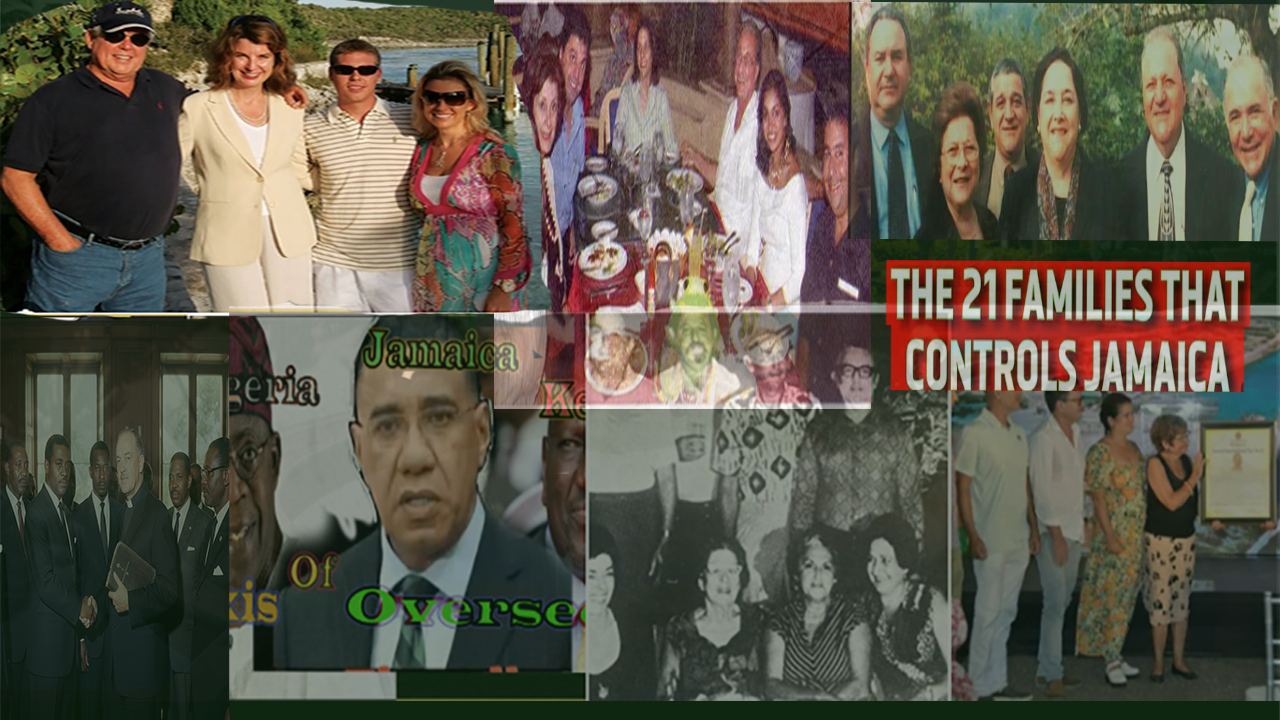
The conversation surrounding Jamaica’s development often hits a familiar wall: the assertion that the Jamaican people “choose” poverty or colonization. However, this framing ignores a deeper structural reality. The truth is that the structural inequality defining the island today is not a choice of the masses, but a deliberate preservation of power by a small, insulated group. The post-colonial landscape did not dismantle the plantation system; it merely rebranded it.
When Jamaica gained independence, the hope was for economic sovereignty and social mobility. Instead, the legacy of colonialism evolved into a sophisticated class and color hierarchy. This “Two Jamaicas” dynamic ensures that those who benefit from the status quo—a demographic often tied to colorism in Jamaica and historic land ownership—have little incentive to change it. True economic empowerment for the majority would require land redistribution, educational reform, and a dismantling of monopolies. Yet, the political and economic will to implement such radical shifts remains absent because the system currently serves the Jamaica elites perfectly.

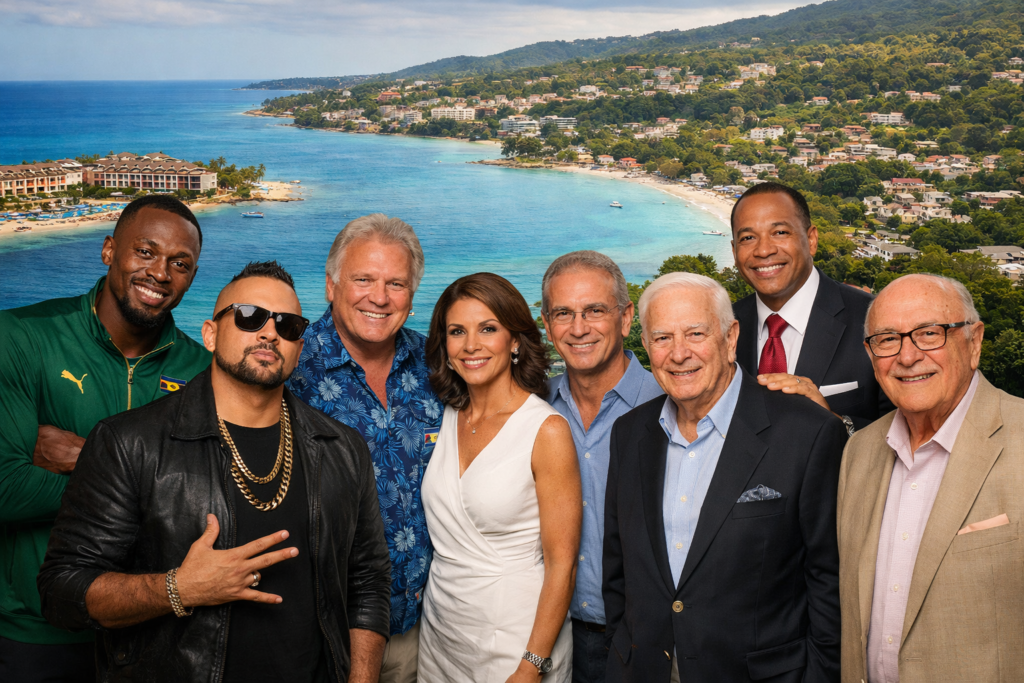
As long as the mechanisms of neocolonialism allow a few to thrive while the majority face systemic exclusion, the nation will struggle to escape the cycle of dependency. Breaking this cycle requires more than electoral politics; it demands a conscious uncoupling from the hierarchies of the past.



wait for part 2