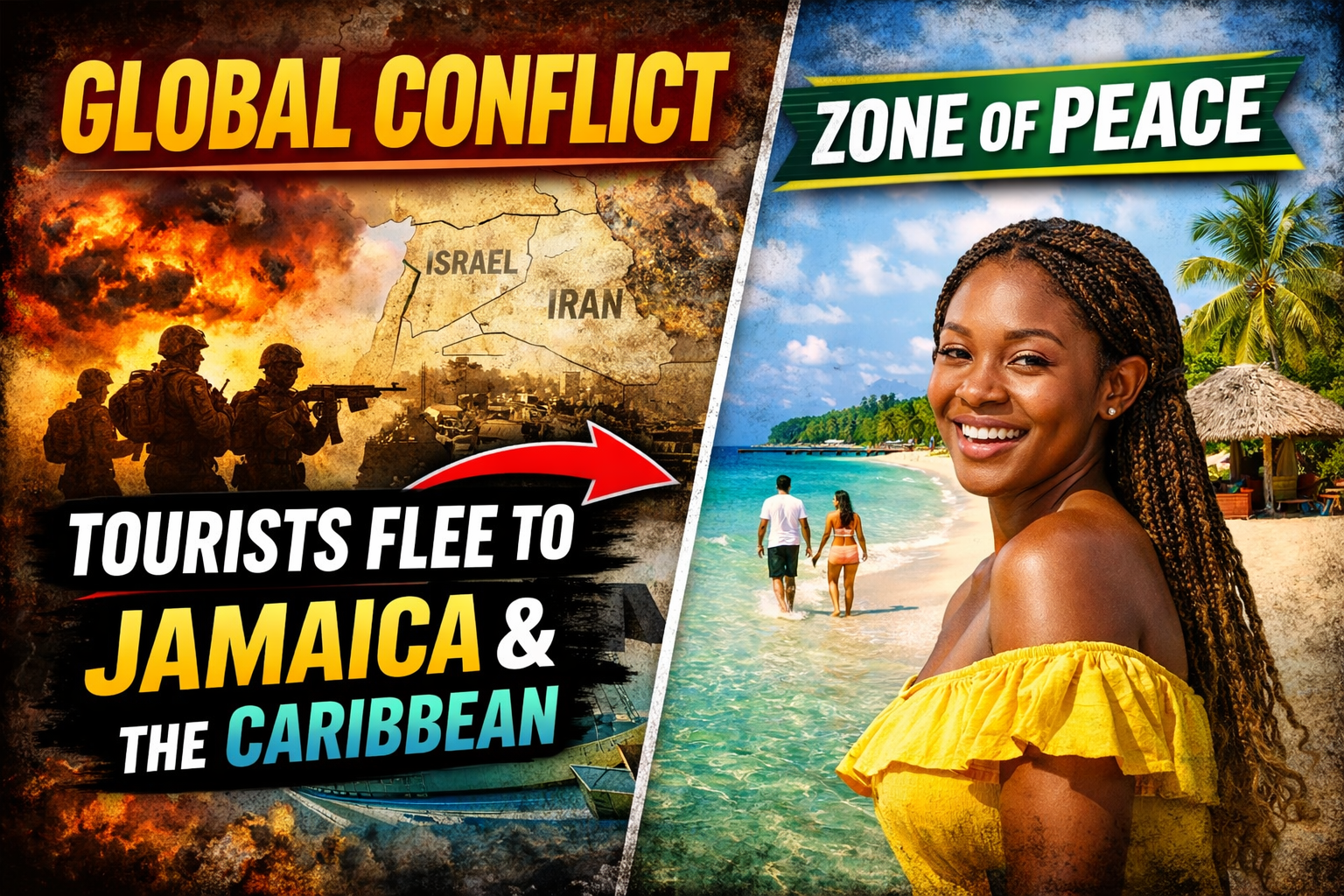
The ongoing geopolitical tensions involving the United States, Israel, and Iran in early 2026 are beginning to reshape global tourism patterns. As security concerns grow and airspace disruptions impact travel routes across the Middle East and Eastern Mediterranean, many international travelers are redirecting their vacation plans toward the Caribbean—particularly Jamaica.




Tourism analysts say the region is increasingly being viewed as a “zone of peace,” offering a stable and attractive alternative for long-haul travelers who are reconsidering trips to traditionally popular destinations in the Middle East and parts of southern Europe.
Recent reports from international travel companies indicate that travelers from Europe and other markets are already shifting their plans. Holiday operators say tourists are avoiding areas near the conflict zone and are instead booking vacations in safer destinations, including the Caribbean.
Growing Demand for Caribbean Destinations
Travel companies and resort operators have reported a noticeable spike in demand for Caribbean holidays. Major tourism operators are seeing increased interest in destinations such as Jamaica, Barbados, and the Dominican Republic as travelers seek warm-weather alternatives that feel politically stable and geographically distant from current conflicts.
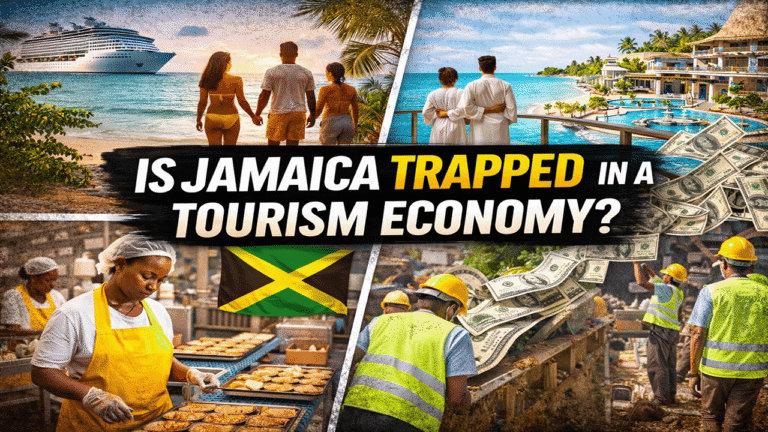
The shift could bring significant economic benefits to Jamaica, where tourism remains the country’s most important economic sector. The industry contributes roughly 30 percent of the nation’s GDP and supports hundreds of thousands of jobs across hotels, transportation, restaurants, and small businesses.
In recent years, Jamaica has also invested heavily in expanding its tourism product, with billions of dollars in hotel investments and plans to add thousands of new rooms across the island.
Jamaica’s Strategic Tourism Response
Recognizing the opportunity created by shifting global travel patterns, Jamaican tourism officials are working to strengthen the island’s tourism infrastructure and supply chains.
The Tourism Enhancement Fund and other industry partners have been encouraging hotels to source more food, goods, and services locally. The goal is to make the tourism sector more resilient to global supply disruptions—especially as international shipping and fuel costs fluctuate due to geopolitical tensions.
At the same time, Jamaica is expanding its marketing efforts to attract visitors beyond its traditional North American base. Tourism officials have been actively courting travelers from the United Kingdom, Latin America, and Eastern Europe through partnerships with major international tour operators.
The island’s diverse tourism offerings—from beaches and waterfalls to cultural experiences in Kingston and Port Antonio—are also helping position Jamaica as more than just an all-inclusive resort destination.
Economic Opportunities and Risks
While the conflict abroad may temporarily boost Caribbean tourism, it also introduces new economic challenges.
Rising oil prices linked to geopolitical instability could increase airline ticket costs and operational expenses for airlines and cruise operators. Higher transportation costs could eventually impact visitor arrivals, particularly for long-haul travelers.
The war has already caused major disruptions in the global travel industry, with the Middle East tourism sector reportedly losing hundreds of millions of dollars per day due to cancellations, airspace closures, and safety concerns.
For the Caribbean, the situation highlights both the opportunity and vulnerability of a tourism-dependent economy. While global instability may redirect travelers to the region in the short term, it also underscores how external events can quickly reshape tourism flows.
A Region Seen as Safe and Welcoming
Despite the uncertainties, the Caribbean’s reputation for hospitality, natural beauty, and relative geopolitical stability is currently working in its favor.
For Jamaica, the moment could bring a surge of new visitors—and a reminder of just how closely the island’s tourism fortunes are tied to the wider global landscape.

come and join me at moomoo!Sign up via my referral link now and claim 8.1% APY and up to 15 free stocks!
account when you invite 3 or more friends to sign
One Comment