In the 1970s and 1980s, the Jamaica Labour Party (JLP), then in opposition, faced allegations of collaborating with foreign entities, including intelligence agencies like the CIA, to destabilize Jamaica through violence, propaga

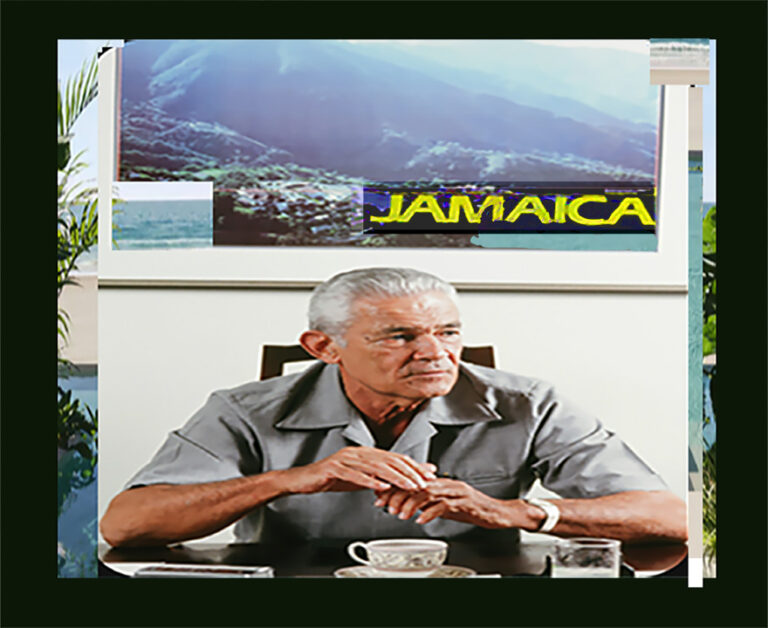
In the 1970s and 1980s, the Jamaica Labour Party (JLP), then in opposition, faced allegations of collaborating with foreign entities, including intelligence agencies like the CIA, to destabilize Jamaica through violence, propaganda, and other disruptive tactics. This period of intense political and social turmoil, exacerbated by economic challenges and high unemployment, led many skilled and educated Jamaicans to leave in search of greater stability and opportunities abroad, fueling what became known as the “brain drain.” The mass emigration of professionals created a long-lasting impact, as Jamaica lost a significant portion of its educated workforce, affecting essential sectors such as healthcare, education, and industry, where shortages of trained personnel became a persistent issue.

This exodus of talent has had ripple effects across generations, influencing both the economy and the social structure of the country. Families were separated, and communities were reshaped, with the absence of a skilled middle class contributing to slower national development and reduced innovation. Efforts to stem the brain drain have been ongoing, with initiatives aimed at attracting the diaspora back and fostering local opportunities, yet the legacy of that turbulent period remains. Jamaica’s economy and key sectors continue to feel the effects, as the country works to rebuild its talent base and create an environment where future generations can thrive locally rather than seeking opportunities overseas.

Spread the love

Similar Posts

  • Why Jamaica Is Seen as a Black Nation — Yet Wealth and Power Often Tell a Different Story

    Jamaica is globally recognized as a Black country, defined by African heritage, culture, and population. Yet when wealth, corporate ownership, and economic power are examined closely, a striking imbalance emerges. Despite Black Jamaicans forming the overwhelming majority, much of the nation’s wealth historically resides within a small number of families rooted in European, Middle Eastern, and mixed-heritage lineages.

    Spread the love
  • Montego Bay Ascendant: Swallowtail Tower Tops Out, Cementing City’s Role as Jamaica’s New Development Leader

    Montego Bay, long established as the Caribbean’s premier tourism capital, is now boldly stepping forward to claim its title as a leader in integrated, high-end residential development. The city’s skyline has been irreversibly changed with the Official Topping-Out Ceremony of the Swallowtail Tower, the first of the four luxury residential towers at The Pinnacle. Reaching its final height of 28 stories, the tower now stands as the tallest building in Jamaica. Notably, even during its construction, the structure and its installed systems demonstrated absolute resilience against the fury of Hurricane Melissa, standing tall and virtually unscathed against the Category 5 winds. This monumental achievement not only solidifies Montego Bay’s structural progress but also signals its intent to become a primary hub for luxury living and diversified economic activity, challenging Kingston’s traditional dominance in non-tourism-centric development.

    Spread the love