
Outgoing Jamaican Finance Minister Nigel Clarke’s recent appointment to the International Monetary Fund (IMF) draws fresh attention to the effects of neoliberal policies on Jamaica’s economy and social structure. Known for his adherence to fiscal discipline and market-led reforms, Clarke championed austerity measures aimed at reducing national debt and stabilizing the economy during his time in office. These measures were celebrated internationally and within some local circles for improving Jamaica’s financial health, notably through debt reduction and increased foreign investment. However, they also introduced challenges for the broader population, with reports of constrained public spending leading to limited access to essential services, such as healthcare and education, and rising inequality, which left many Jamaicans feeling disconnected from the nation’s economic progress.

come and join me on moomoo! Moomoo provides easier access to pro-grade investment analytics and is used by over 22 million people globally!
Sign up via my referral link now and claim 8.1% APY and up to 15 free stocks!
- Caribbean Sprint Power: Jamaica and British Virgin Islands Stars Storm Into NCAA Outdoor Finals
- Shericka Jackson Dominates Again in China, Defeats Sha’Carri Richardson in Xiamen Diamond League 200m Showdown
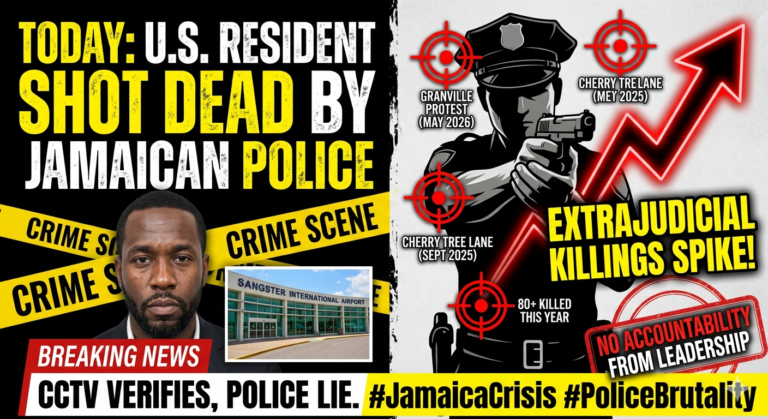
- US Resident Shot Dead by Jamaican Police at Sangster Airport, as Surge in Extrajudicial Killings Continues
- Jamaican Fugitive Wanted for St. Lucia Murder Sentenced to US Federal Prison
- Flippa Mafia Back in Federal Crosshairs: Wiretaps, Surveillance Videos and a Massive U.S. Drug Case
Clarke’s transition to a global position at the IMF now offers him a broader platform to implement and influence similar policies on an international scale. This move raises critical questions about the real-world impacts of austerity on developing economies and whether such strategies risk widening the gap between financial metrics and social well-being. Critics argue that while these policies may foster economic stability, they often do so at the expense of vulnerable communities, who bear the brunt of reduced public services and social programs. Clarke’s IMF role will likely intensify the ongoing debate around neoliberalism’s long-term effects on inequality and social resilience, especially within regions struggling with poverty and limited resources. His influence may shape future IMF policies, affecting countries around the world and testing the balance between economic prudence and social responsibility.



come and join me at moomoo!Sign up via my referral link now and claim 8.1% APY and up to 15 free stocks!
account when you invite 3 or more friends to sign