The Marley Effect: As Bob Marley’s reggae achieved global dominance, the domestic stigma against Rastafari began to crumble.

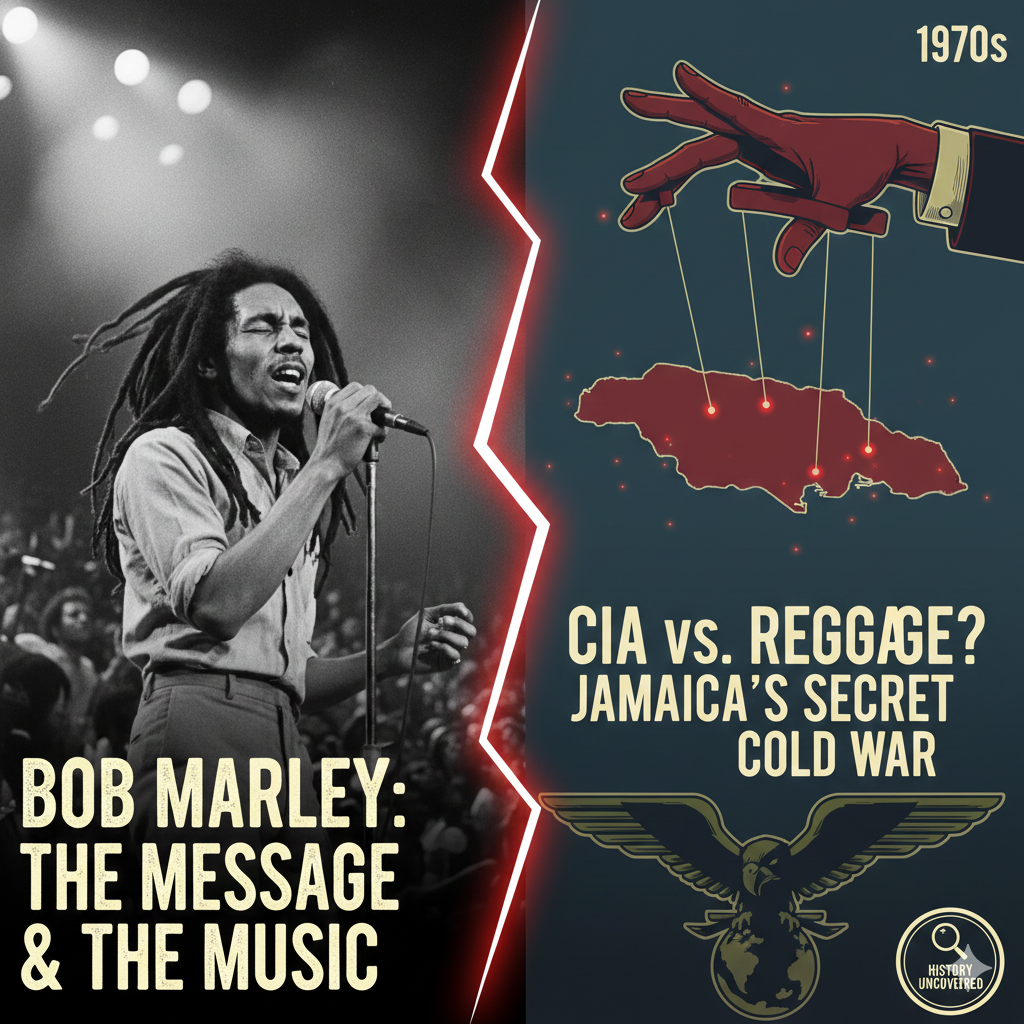
Jamaica’s modern identity was forged in a high-stakes crucible where local culture collided with global power struggles. During the 1970s, the island became a symbolic battleground for the Cold War, caught between the growing pains of a young democracy and the heavy-handed influence of competing superpowers.
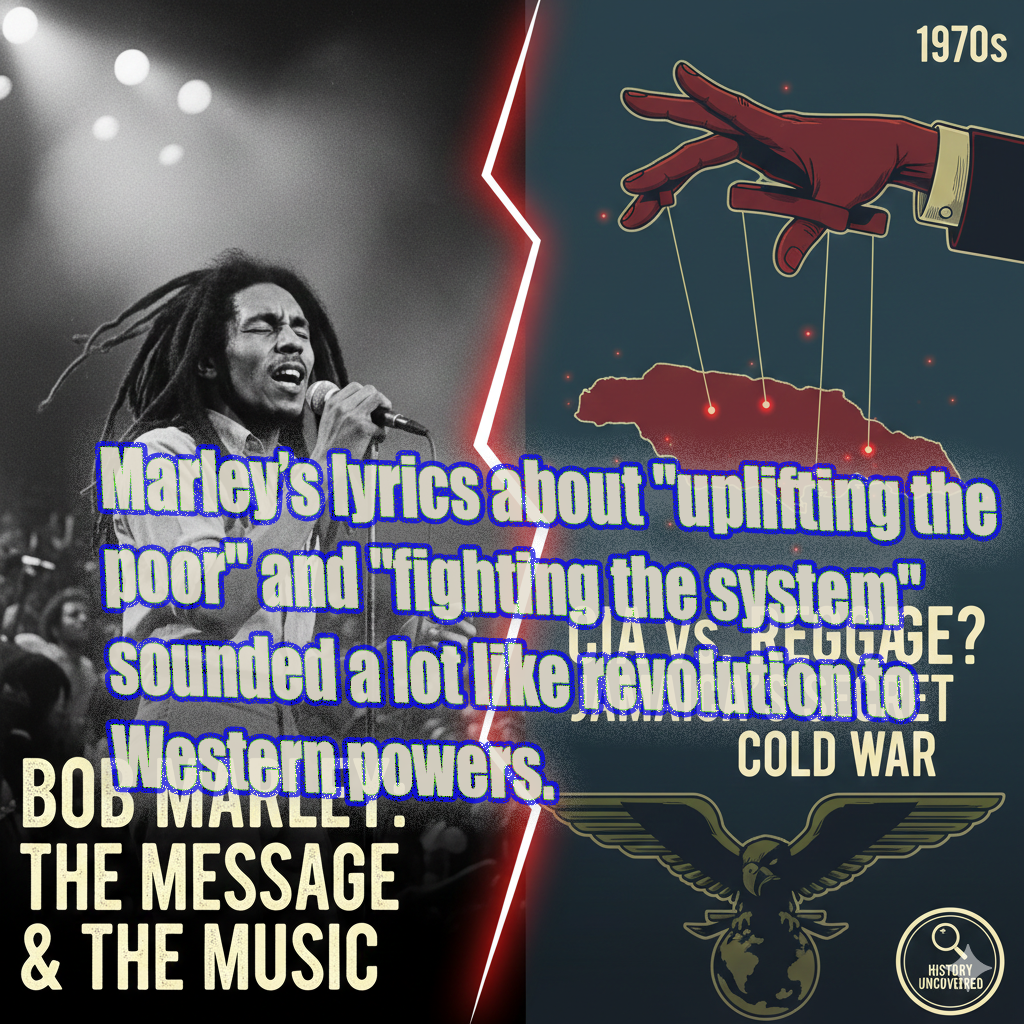
The western Powers were not happy with bob marley revolutionary music
Bob Marley’s lyrics against the oppressive system

The Social Divide: From Outcasts to Icons

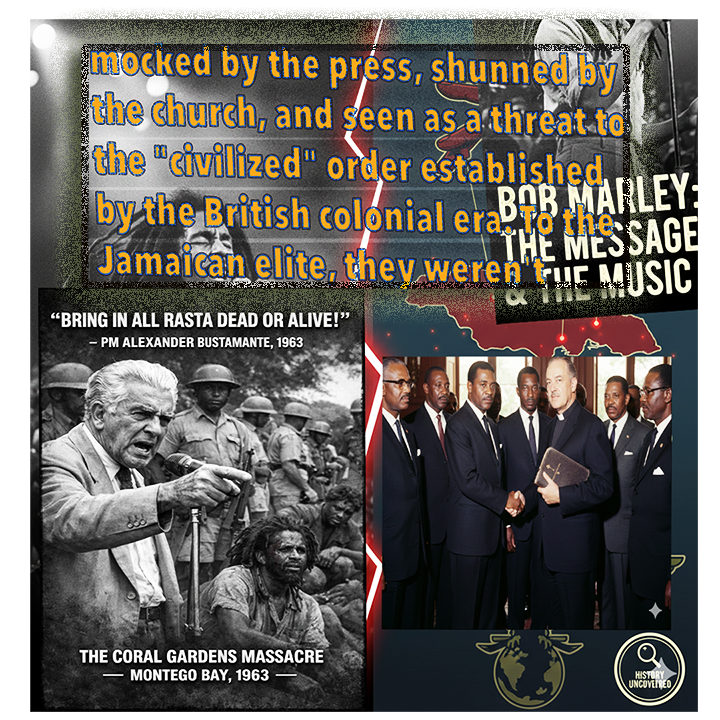
For decades, the Rastafarian community existed on the fringes of Jamaican society. Faced with systemic prejudice from the Christian establishment and the Eurocentric upper class, Rastafarians were often branded as subversives. Their rejection of colonial standards made them a “threat” to the status quo—until the music changed the narrative.
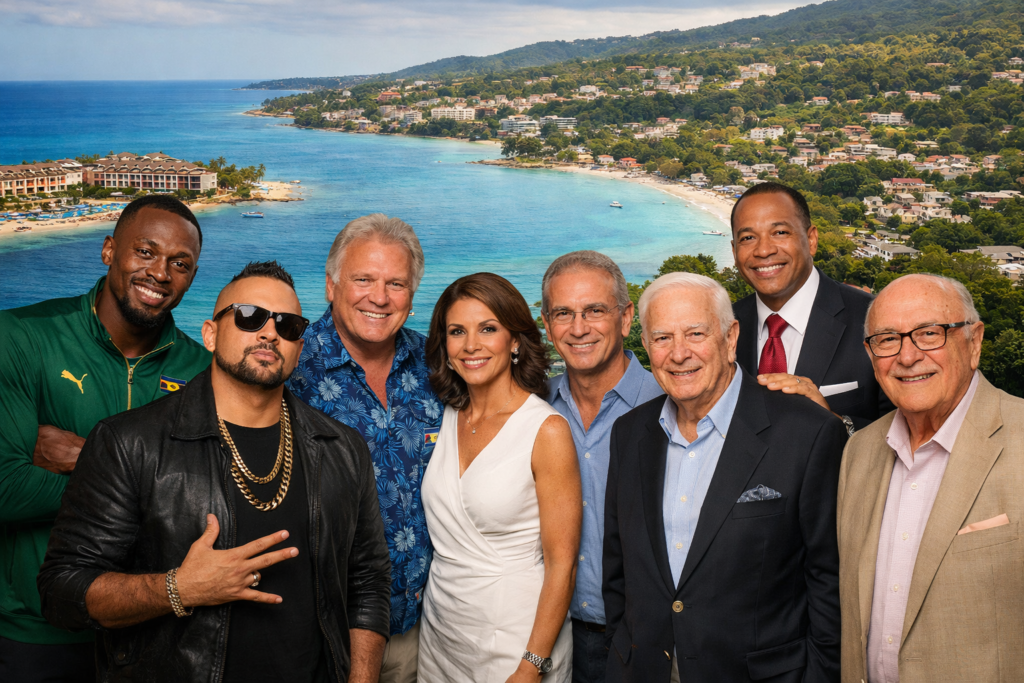
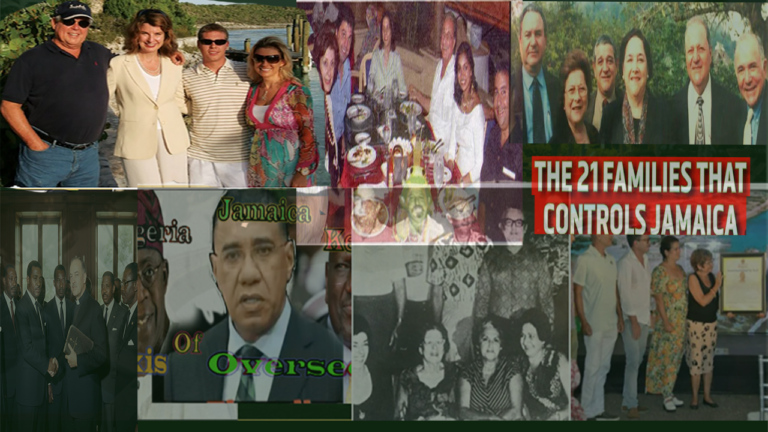
t is often assumed that Black wealth in Jamaica emerges only from “rags-to-riches” stories — especially in music and sports.

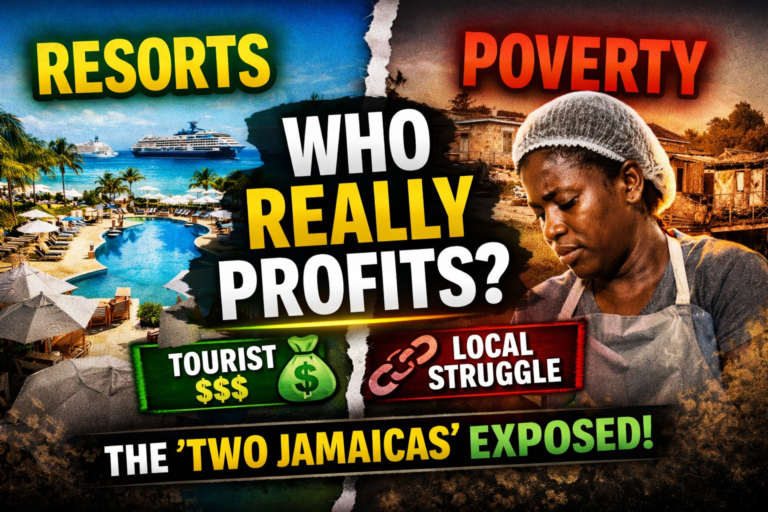
Why Jamaica Is Seen as a Black Nation — Yet Wealth and Power Often Tell a Different Story

Why Nigeria and Jamaica are Failing: Low Wages & Western Proxies

The Nigeria, Jamaica, and Barbados Paradox: Regional Superpowers or Proxy Enforcers?

Montego bay sky scraper

Montego Bay Ascendant: Swallowtail Tower Tops Out, Cementing City’s Role as Jamaica’s New Development Leader

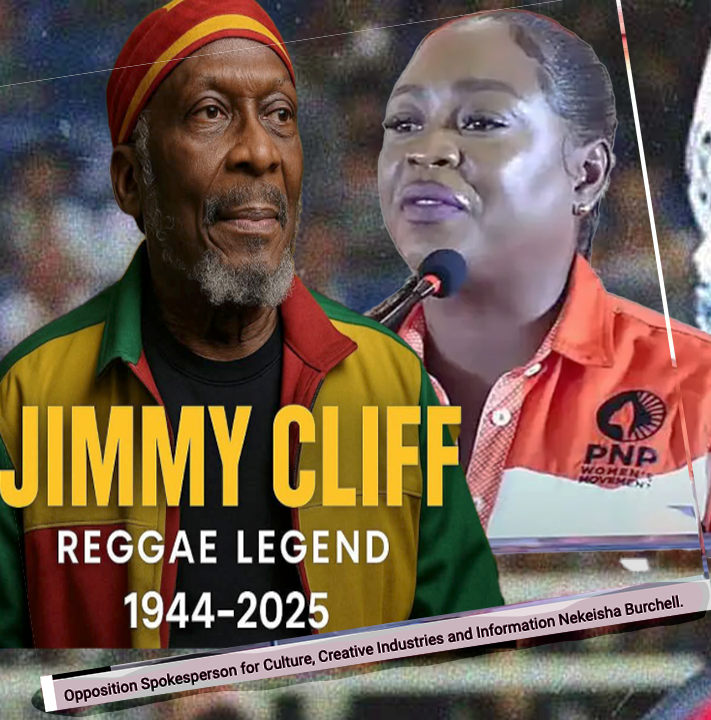
Culture, Creative Industries and Information Nekeisha Burchell, great reggae legend Jimmy Cliff

A Beacon of Truth’: PNP Pays Solemn Tribute to Late Reggae Icon Jimmy Cliff

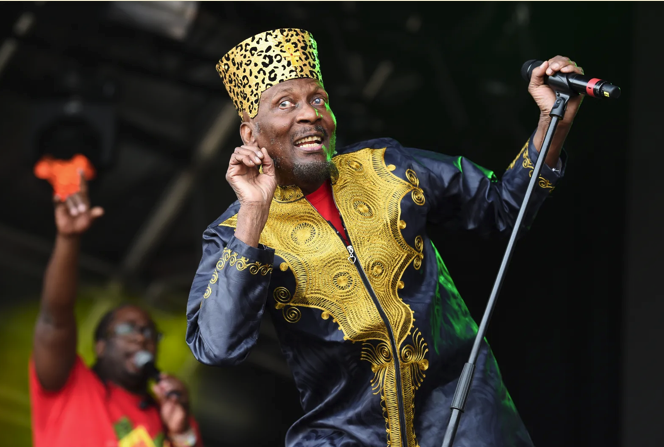
Jimmy cliff global reggae icon

Jimmy Cliff: Reggae Trailblazer and Global Icon Passes Away at 81

Riu reggae give $1m for workers

RIU Steps Up: Jamaica Hotel Giant Unveils $1 Million Relief Fund After Hurricane Melissa

  • The Marley Effect: As Bob Marley’s reggae achieved global dominance, the domestic stigma against Rastafari began to crumble.
  • Cultural Currency: International acclaim forced the Jamaican elite to re-evaluate a movement that had become the island’s most powerful cultural export.
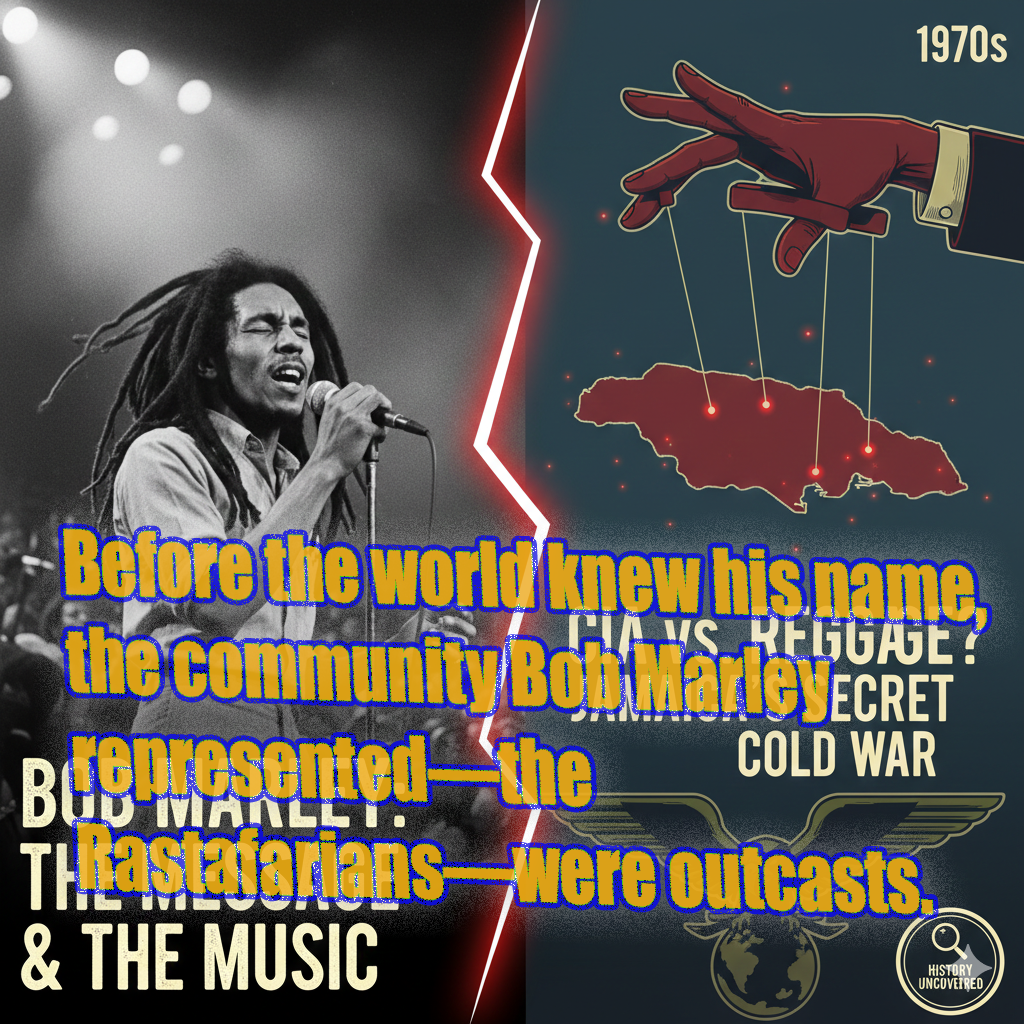
Bob Marley and the rastas were considered outcast
Reggae Icon Bob Marley and the rasta

Music as a Political Weapon

Bob Marley didn’t just sing; he gave a megaphone to the marginalized. His lyrics tackled systemic inequality and the “Babylon” system of oppression, resonating deeply with a Black majority that had been economically sidelined for generations.

However, in the paranoid atmosphere of the Cold War, Marley’s calls for social justice and self-determination weren’t just seen as art—they were viewed as a geopolitical risk. To Western powers, any rhetoric emphasizing the empowerment of the poor or a pivot away from traditional alliances looked suspiciously like a shift toward the socialist bloc.

The Whistleblower and the Wound: Phillip Agee & the Shot at 56 Hope Road

For decades, the official story stood uncontested: on the night of December 3, 1976, armed men stormed Bob Marley’s home at 56 Hope Road in Kingston. It was, authorities claimed, a botched robbery. Rita Marley was shot in the head. Manager Don Taylor took multiple rounds. Bob Marley himself was struck in the chest and arm. Miraculously, all survived.

Bob Marley smiling on stage at the smile Jamaica concert
Bob Marley smiling on stage

But a robbery of what? Cash left untouched. Instruments unloaded. The intruders asked for one man by name.

Then came Phillip Agee.

The Man Who Knew Too Much

Agee was no conspiracy theorist. He was the CIA’s worst nightmare: one of their own. A former case officer stationed in Uruguay, Ecuador, and Mexico, Agee spent a decade inside the Agency’s Latin America operations. By 1968, disillusioned, he resigned. By 1975, he had written Inside the Company: CIA Diary—a 700-page exposé naming names, detailing covert funding of foreign police forces, and confirming what the Global South had long suspected: Washington’s embassies were often command centers for regime change.

Jamaica, under Michael Manley’s democratic socialist government, was firmly in Agee’s crosshairs.

“A Second Cuba”

To the Nixon and Ford administrations, Manley’s friendship with Fidel Castro and his embrace of welfare-state policies were intolerable. Declassified documents later confirmed that the CIA ran covert political action programs on the island throughout the 1970s. The objective was not invasion, but destabilization. Fund opposition parties. Sow discord. Weaken the left.

Agee went further. He alleged that the CIA had forged an operational alliance with elements of the Jamaica Labour Party (JLP)—not merely supporting them electorally, but providing paramilitary training to operatives willing to use violence.

And he claimed that the men who entered 56 Hope Road were connected to that apparatus.

Why Marley?

Bob Marley was not a politician. He never held office. But in Cold War intelligence doctrine, culture was terrain. Marley commanded the largest audience in the Caribbean. His music—Get Up, Stand UpRevolutionBabylon System—framed poverty not as personal failure but as colonial inheritance. His global stardom gave Rastafari legitimacy and gave the dispossessed a vocabulary.

To the CIA’s planners, he was not an artist. He was an asset—for the other side.

A successful assassination would do more than remove a singer. It would destabilize the Smile Jamaica concert, a PNP-aligned peace event scheduled just two days later. It would provoke inter-gang warfare. It would taint Manley’s government with chaos. And it would send a message: no one was untouchable.

The Aftermath

Marley left Jamaica the day after the concert. He would not return for sixteen months. The shooting changed him—physically, with a bullet lodged near his heart, and politically. Exodus, the album he recorded in London, is drenched in exile and survival.

Agee paid for his testimony. Hounded by intelligence services, he lived much of his later life in exile—Germany, the Netherlands, Cuba—granted asylum by the very revolution the CIA had tried to crush.

He died in Havana in 2008.

His files remain contested. The CIA has never formally acknowledged Agee’s Jamaica allegations. No JLP official has ever been charged. The murder weapons were never found.

But in Kingston, at 56 Hope Road—now the Bob Marley Museum—bullet holes still mark the walls. And visitors still ask the same question:

Was it really just a robbery?

A Legacy of Contention

Bustamante Jamaica first Prime minister joined the churces and elites against the rastas
Bustamante cruelty towards Rastafarians

The intersection of Marley’s message and global espionage remains a subject of intense debate. This era serves as a stark reminder that Jamaica’s cultural history is inseparable from its political history. The struggle wasn’t just about who held office, but about who controlled the soul and narrative of a developing nation.

“The music was the heartbeat, but the politics was the pressure.”
Spread the love

Similar Posts